

By TN Ashok
youtube.com/@theflagpost
Sept. 11, 2025
Cracker Barrel thought it could slick up its image. Instead, it got smacked with a social media skillet.
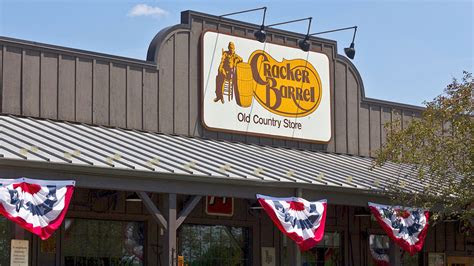
The down-home chain famous for rocking chairs, peg games, and biscuits drowning in gravy tried to rebrand itself last month with a new, modern logo—ditching its beloved “Uncle Herschel” character and even scrubbing the heritage tagline “Old Country Store.” The makeover was supposed to lure younger customers. Instead, it triggered a meltdown that reached all the way to the Oval Office.
Donald Trump blasted the change on Truth Social as “a mistake.” Loyal diners screamed betrayal online. And within a week, the company waved the white napkin, junking the new logo and promising that the fireplaces and antiques weren’t going anywhere. Shares shot up 8% the day Cracker Barrel backtracked.
The lesson ? In America, you can mess with portion sizes, you can jack up menu prices—but you don’t mess with nostalgia.
From Comfort Food to Corporate Confusion
Cracker Barrel has been struggling to stay fresh. Same-store sales have sagged, and younger crowds see the chain as a kitschy pit-stop on long road trips, not a go-to dinner spot. So in 2024, executives rolled out a “strategic transformation plan” that called for remodeling up to 30 locations in 2025.
Behind the scenes, it was about making kitchens more efficient, layouts sleeker, and operations smoother. Customers would never notice those changes. What they did notice was the chain’s new “modern” look—antique clutter gone, logo stripped bare, and Uncle Herschel sent packing. The move was supposed to scream relevance. Instead, it screamed betrayal.
Social Media Served It Cold
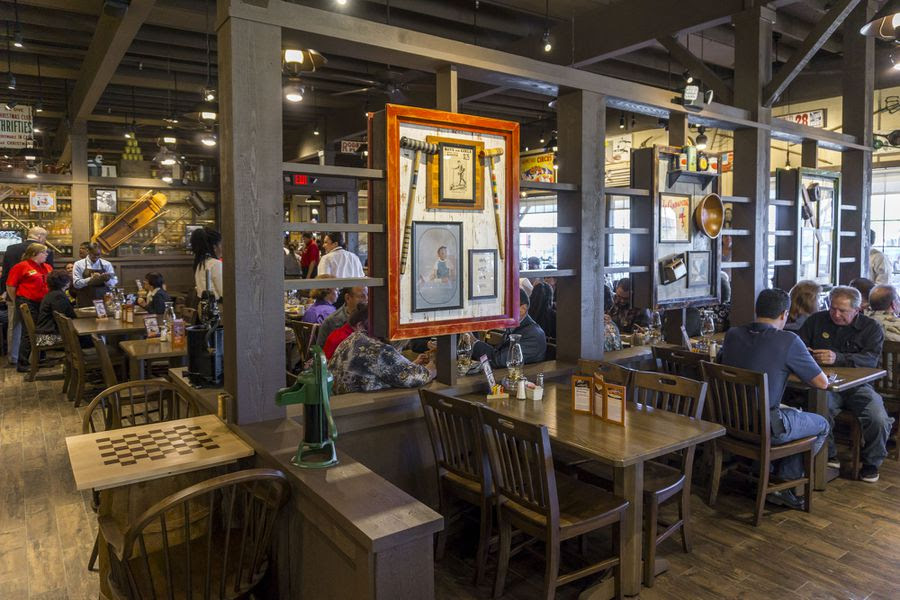
The backlash was instant. Facebook, TikTok, and X lit up with memes mocking the new logo as bland and corporate. “This isn’t Cracker Barrel—it’s Airport Barrel,” one user joked. Others compared it to Panera, Chipotle, or worse: a gas station café. For longtime fans, the makeover felt like an erasure of the very things that made Cracker Barrel special: the creaky wooden floors, checkerboards on the tables, and country-store clutter that made every meal feel like Sunday at grandma’s. Trump’s intervention only poured gas on the fire. When the former president calls out your new logo, you know you’ve misread the room.
Cracker Barrel Joins the Hall of Rebrand Shame
The restaurant chain isn’t the first company to face-plant trying to look hep. The corporate graveyard is filled with “new looks” Americans hated:
Tropicana (2009): The OJ giant ditched its orange-with-a-straw carton for a bland minimalist box. Sales plunged 20% in two months. Old carton back, crisis averted.
Gap (2010): Tried to swap its classic blue square logo for a Helvetica horror. Outrage was so fierce, the old logo returned in one week flat.
Coca-Cola (1985): “New Coke” remains the most infamous branding blunder of all time. Furious fans forced Coke Classic back onto shelves in just 79 days.
Pizza Hut (2000s): Briefly flirted with calling itself “The Hut.” Customers thought it sounded like a dorm hangout. In each case, Americans didn’t just dislike the change—they revolted.
Why We Love the Old Stuff
The fury over Cracker Barrel isn’t just about fonts and logos. It’s about identity. Americans cling to heritage brands for a few reasons: Nostalgia sells. In a chaotic world, old logos feel safe and comforting.
Authenticity matters. Quirky mascots and cluttered dining rooms feel real. Sleek minimalism feels fake. Tradition runs deep. Families have been pulling over at Cracker Barrel for decades. The old look is part of the ritual. Cultural icons stick. Coca-Cola, Levi’s, Harley-Davidson—these aren’t just products. They’re symbols of Americana. When companies strip away history, they strip away what people are buying in the first place.
Back to the Rocking Chairs
Faced with a mutiny, Cracker Barrel slammed the brakes on all remodels. Only four of its 660 restaurants had been redone before the retreat. The company now promises “the vintage Americana you love will always be here—the rocking chairs on the porch, our fireplaces and peg games, unique treasures in our gift shop and antiques pulled straight from our warehouse in Tennessee.” Translation: we won’t mess with your biscuits again. The irony ? Cracker Barrel can still modernize plenty—just quietly. Update the kitchens. Streamline supply chains. Go digital on the back end. But the front end—the logo, the porch, the country clutter—is sacred ground.
The Bottom Line
Cracker Barrel’s stumble shows the double-edged sword of being a heritage brand. Customers don’t just like the old identity; they demand it. Change too much, too fast, and the revolt will be louder than a frying pan hitting the floor.
In the end, Cracker Barrel learned what Coca-Cola, Tropicana, and Gap learned the hard way: America doesn’t just eat your food—it eats your story. And if the story doesn’t taste right, no amount of “modern” will save you. For a company built on nostalgia, the safest bet is to stop chasing sleekness and lean harder into what people already love. Because when it comes to comfort food and comfort brands, America isn’t hungry for change—it’s hungry for tradition.
