Blog

  • 34th Konkani National Recognition Day celebrated in Karwar

    34th Konkani National Recognition Day celebrated in Karwar

    By Manjunath K. Shresthi
    August 24, 2026
    youtube.com/@theflagpost

    The Konkani language is spoken by 42 different Christian, Hindu & Muslim communities. The language was recognised and got Constitutional status on August 20, 1992. In commemoration of it’s rich legacy, events are held annually. Various Christian & Hindu speaking Konkani communicaties from Karwar taluk in Uttara Kannada (UK) district, Karnataka state, together celebrated the day.

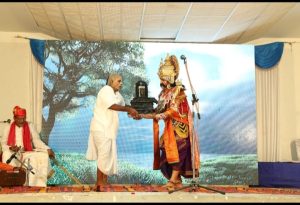
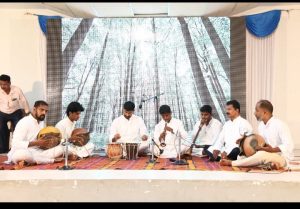
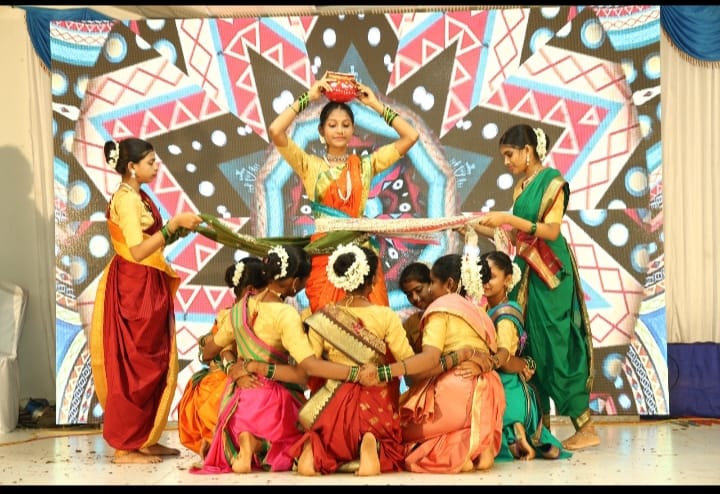
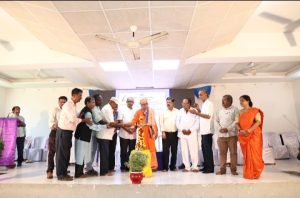
    A one day cultural program was witnessed at Shivaji Education Society’s Shankar Babi Sawant community hall in Baad, Karwar on August 20. The highlight of the program was to create awareness of the many Konkani art forms. It was a full day event and entry was free. A total of 90 artists from different fields participated from 10 AM to 10 PM. 23 participating artists were honoured, along with the dignitaries others also attended and lunch was served.

    There are 20 traditional Konkani art forms of the Hindu communities & they are: Dhalo, Mandi, Fugdi, Kolata, Gopenaach, Khel, Gumata vada/ savari, Dalche, Kandache, Vhayo, Panchwadya & many more. The Christian Konkani art forms are: Kantar Geeta/Naach, Rosa Velar Gumata, Lagna Vaje, Dalap, Band, Khandap & others.

    In the modern era Konkani folk arts are facing a decline and gradually fading out from public memory. Therefore, a Committee has been formed and senior artists from the existing Konkani folk art groups provide excellent training for all these art forms. The performance arranged showcased them in traditional attire, costumes and stage props. The seven hours event was documented through video recording, featuring more than 90 artists. It included female artists and they performed 30 different folk art forms.

    Dr. Vasant Bandekar: a resident of Sadashivgad and a veteran artist, he’s a mimicry artist and a Guiness record holder. He has put in more than 58 years of service to the Konkani language. Along with him all the artists, participants and organisers made the days event a grand success.

  • PM Narendra Modi warns Gen Z and Youth about ‘Dimagi Naxals ‘

    PM Narendra Modi warns Gen Z and Youth about ‘Dimagi Naxals ‘

    By TN Ashok.    New Delhi
    August 17, 2026
    youtube.com/@theflagpost

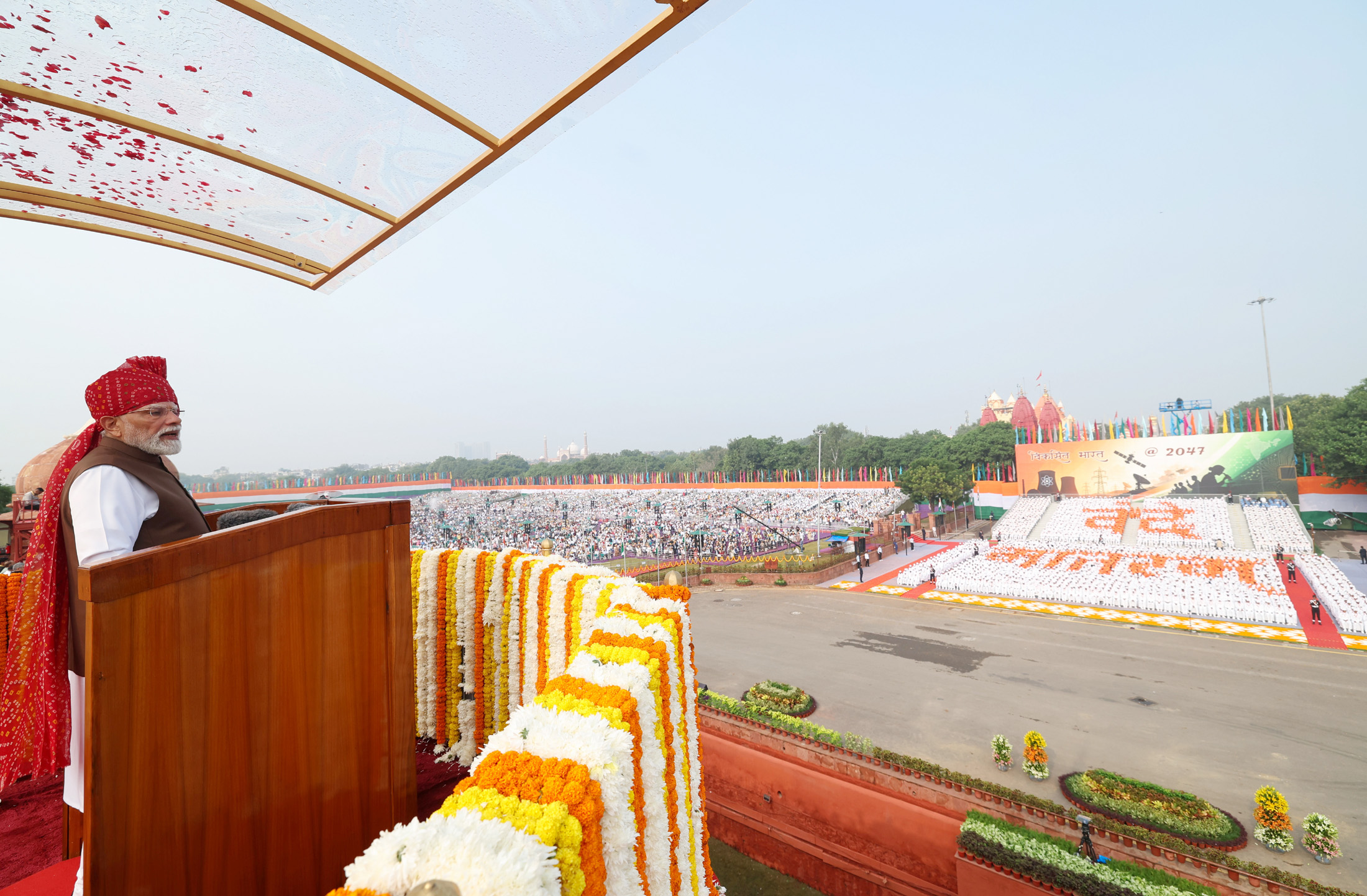
    India’s 80th Independence Day was meant to be a celebration of national unity. Instead, it became a revealing moment in the country’s political evolution: the ruling establishment and the Opposition are increasingly competing for the allegiance of a young, restless and politically unpredictable generation.


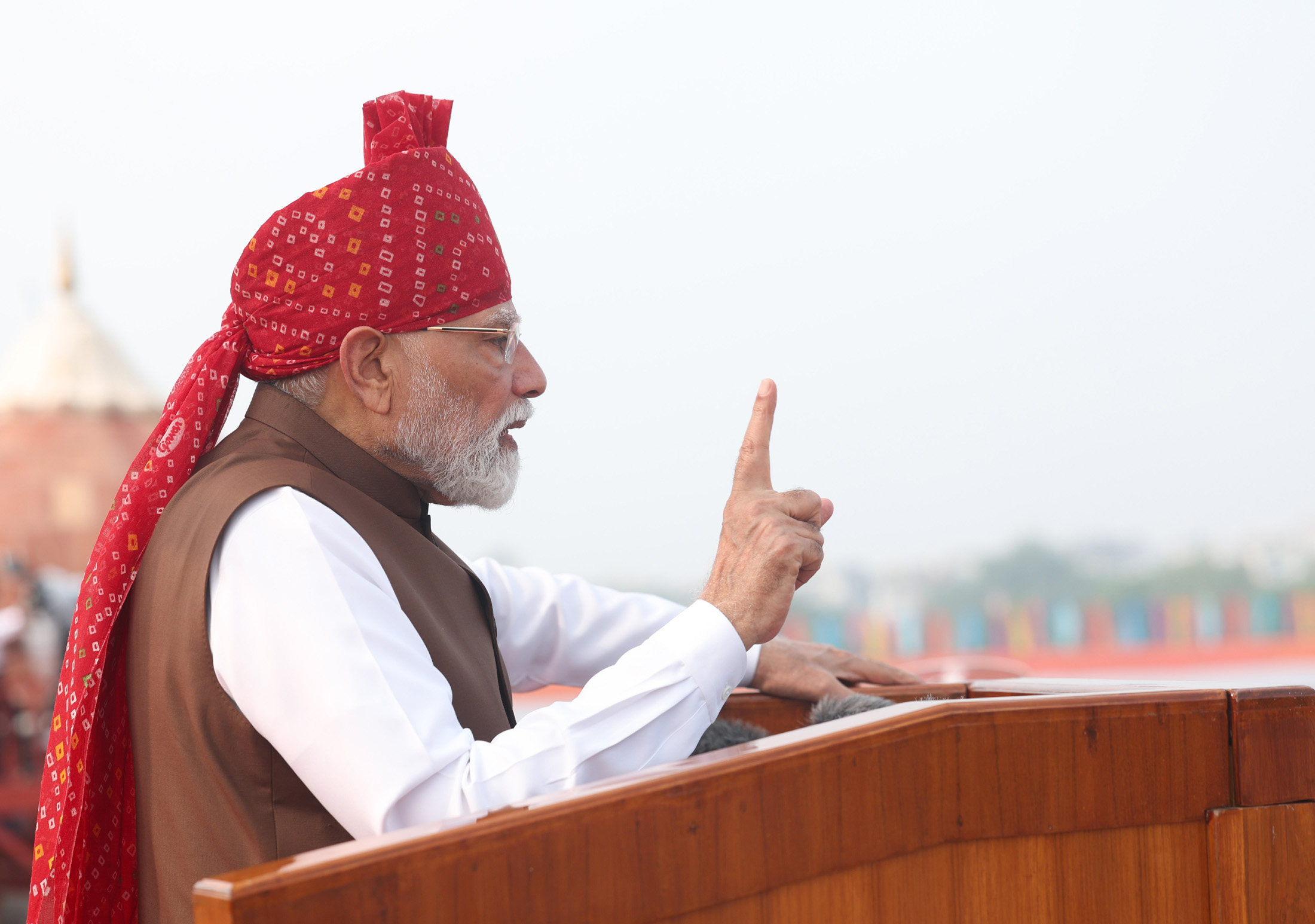
    From the ramparts of the Red Fort, Prime Minister Narendra Modi sought to speak directly to Gen Z, promising free coaching for competitive examinations, a one-crore-strong AI-skilling programme and greater emphasis on jobs, entrepreneurship and opportunity. The message was unmistakable. India’s youth is no longer a demographic statistic; it is becoming the decisive political constituency of the next decade. The timing was hardly accidental.


    The 36-day student agitation over examination irregularities and the NEET paper-leak controversy had shaken the BJP-led government in a way few Opposition protests have managed in recent years. The resignation of Education Minister Dharmendra Pradhan became the clearest symbol of the government’s vulnerability. It demonstrated that a generation often assumed to be broadly sympathetic to the BJP could mobilise independently, force accountability and put political power under pressure.The political establishment took note.


    Modi’s warning against “dimagi Naxals” — echoing the BJP’s earlier use of the term “urban Naxals” to describe sections of dissenting intellectuals and activists — appeared to carry a second message: youth anger should not cross the line into what the government considers politically subversive territory. But the very fact that the Prime Minister was addressing this constituency so directly suggested that the old political equations are changing.


    The BJP remains India’s dominant political force, but its electoral trajectory has altered. Its Lok Sabha tally fell from 303 seats in 2019 to 240 in 2024, leaving it dependent on coalition partners. The nationalist wave that followed the Balakot and Uri episodes could not be reproduced in the same form. National security and nationalism remain powerful political instruments, but they are increasingly being supplemented by bread-and-butter concerns — examinations, employment, skills, wages and economic mobility.


    President Droupadi Murmu’s Independence Day message struck a notably different tone. Her emphasis on aspiration and the ambitions of young Indians placed the focus less on ideological confrontation and more on opportunity. It also offered the Opposition an opening.


    The Congress party has attempted to occupy that space through Rahul Gandhi’s “Chhatron Ki Goonj” campaign, linking examination irregularities with the larger problem of unemployment and insecurity among young Indians. Mallikarjun Kharge has sought to connect the right to dissent with India’s freedom struggle and constitutional values.


    The Opposition’s argument is simple: young people questioning the government are not necessarily anti-national; they are exercising democracy. That proposition could become politically potent.

    The first test will come in the 2027 Assembly elections, particularly in Uttar Pradesh and Punjab, before the battle for the Lok Sabha in 2029. Uttar Pradesh remains the great electoral prize, while Punjab offers a different political laboratory where youth aspirations, unemployment, farm concerns and anti-establishment sentiment can intersect.


    For the BJP, the larger challenge is that Gen Z is not easily owned by any political party. It is less ideological, more transactional and intensely connected through social media. It wants fair examinations, jobs, dignity and mobility. The Cockroach Janata Party movement, which emerged from the student protests but resisted being converted into a conventional electoral vehicle, illustrated precisely this phenomenon: young Indians can influence politics without necessarily joining a political party. That makes them both attractive and dangerous to established political formations. By 2029, the size of India’s young electorate could make Gen Z and younger millennials an extraordinary electoral force. The party that understands their aspirations without appearing to manipulate them could gain a decisive advantage.


    There is an interesting parallel in the United States, where President Donald Trump’s Republican Party is also confronting signs of youth and anti-establishment discontent. Democrats have recorded a string of strong performances in special elections and state level contests, raising hopes of recovering the House in the November midterms. Younger Democratic figures such as Zohran Mamdani and Alexandria Ocasio-Cortez have become symbols of a more assertive generational politics, while Republicans are debating the future between figures such as Vice President JD Vance and Secretary of State Marco Rubio.


    Europe is experiencing a similar fragmentation. France’s political centre has weakened, Germany’s governing coalition faces pressure from the far right and voters across the continent are increasingly questioning established political parties. The common thread is not that young voters everywhere are moving to the left or right. It is that they are becoming less deferential to incumbents. That distinction matters in India. For years, the BJP successfully presented itself as the party of aspiration, technology, nationalism and a rising India. Gen Z was naturally part of that narrative. But aspiration carries a political risk: once young people expect opportunity, they become impatient when institutions fail to deliver it.


    An examination paper leak therefore becomes more than an administrative failure. It becomes a question of fairness. A shortage of jobs becomes more than an economic statistic. It becomes a question of dignity. A delayed recruitment examination becomes a political grievance. This is where the Opposition sees its opportunity.


    But Congress and other opposition parties should not assume that anger automatically translates into votes. Young Indians may be hostile to the government on one issue and still support it on another. They may reject traditional party politics altogether. Their allegiance can shift rapidly, driven by jobs, education, inflation, social media narratives and individual aspirations.

    For the BJP, therefore, the challenge is not simply to win back protesting students. It is to reclaim its earlier position as the political vehicle of youthful aspiration. For the Opposition, the challenge is equally formidable: it must demonstrate that it can convert protest into policy rather than merely convert anger into votes.


    The Red Fort still belongs to the Prime Minister. But the political conversation emerging from the streets, campuses and social-media networks increasingly belongs to a generation that does not automatically defer to anyone. That may be the real significance of India’s 80th Independence Day. The next great political contest will not simply be between BJP and Congress, nationalism and secularism, or government and Opposition. It will be a contest over who can understand — and ultimately earn the trust of — India’s restless young.

    From Delhi to Washington and Paris, the message of 2026 is becoming increasingly clear: incumbency is no longer an asset in itself. A generation that once wanted to inherit the future now wants to shape it.

  • How well do the Stars, Celebrities & Sports Icons Perform inside Parliament ?

    How well do the Stars, Celebrities & Sports Icons Perform inside Parliament ?

    By TN Ashok.    New Delhi
    August 04, 2026
    youtube.com/@theflagpost

    When the dazzling lights of the silver screen fade and the chaotic din of Parliament takes over, a very different kind of performance is demanded. The Indian electorate is famously generous, often elevating celluloid demigods and sporting icons to the hallowed halls of the Lok Sabha and Rajya Sabha. Yet, once the initial euphoria settles, a pressing question emerges: Are they actually doing the work?

    The transition from a beloved public figure to a dedicated parliamentarian is fraught with intense scrutiny, and the public is no longer easily appeased by a megawatt smile. Here is a look at how India’s most notable celebrities have navigated the complex theater of Indian politics.


    The New Guard and the Juggling Act
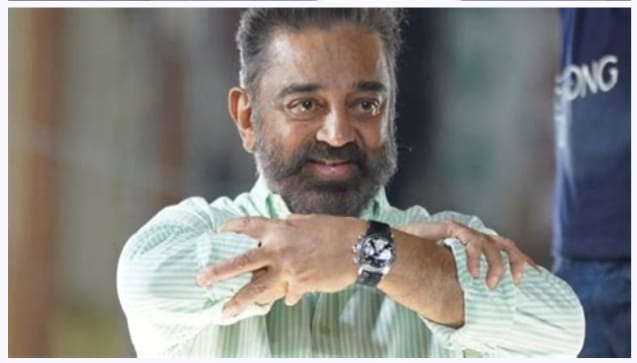
    Kamal Haasan: The latest to face the harsh glare of the political spotlight is Kamal Haasan. Following a recent critical piece in the Free Press Journal, the actor-turned-politician found himself in the crosshairs of public debate. His supporters fiercely argue that it is far too early to write his political obituary. As the founder of Makkal Needhi Maiam (MNM)—now allied with the ruling DMK—he has five years to prove his mettle. However, straddling the demanding worlds of cinema and full-time politics is a monumental task. The electorate is increasingly unforgiving of part-time politicians; his limited presence in Delhi will undoubtedly require a strategic pivot if he wishes to leave a lasting legislative legacy.

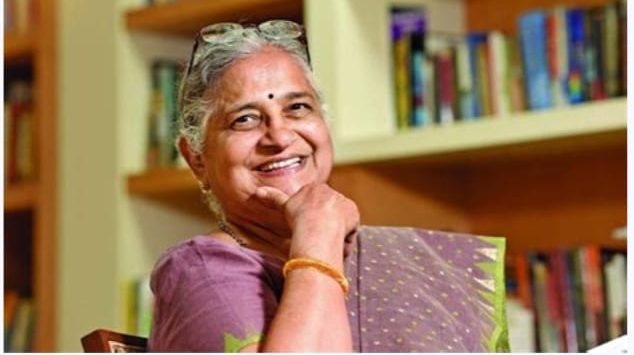
    Sudha Murty: On the opposite end of the spectrum is the newly nominated Sudha Murty. A billionaire philanthropist and author, she brings a refreshing, grassroots simplicity to the Rajya Sabha. Rather than cinematic flair, Murty’s presence promises a sharp focus on education, women’s empowerment, and rural development, pivoting the celebrity narrative from “star power” to “social impact.”

    The Vocal Veterans and Intellectual Heavyweights
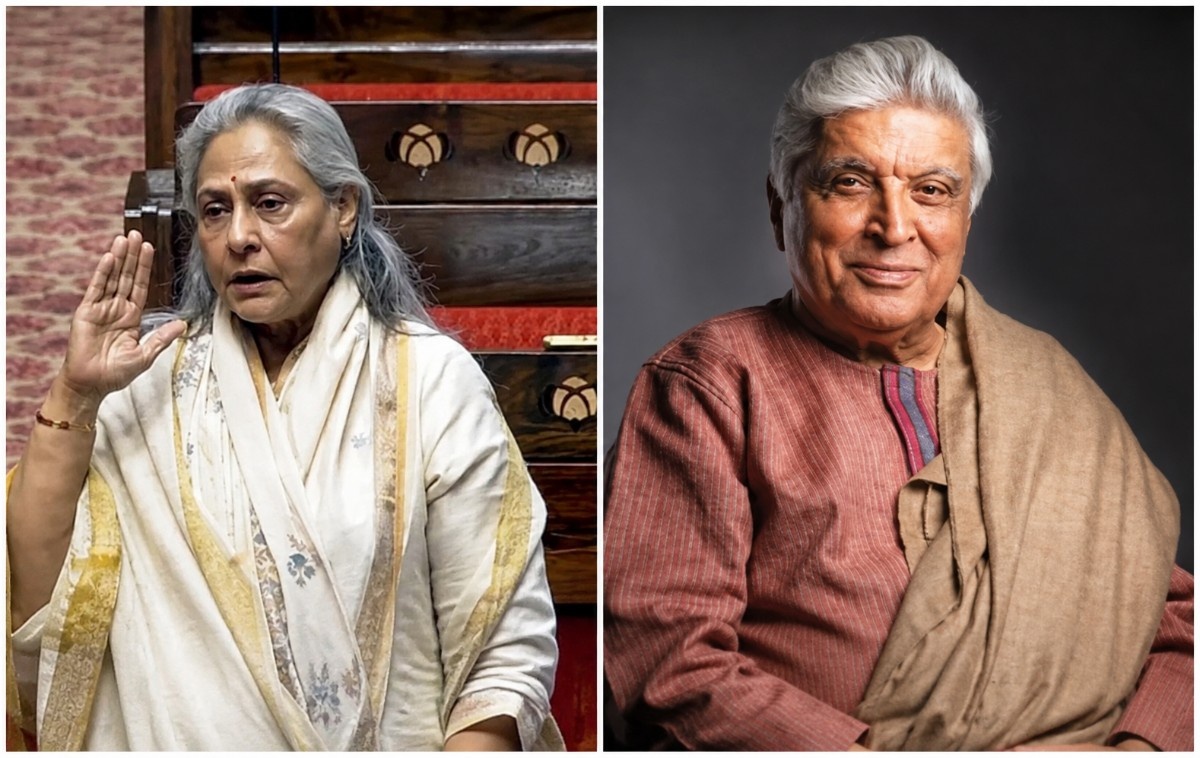
    Jaya Bachchan: If Parliament were a film set, Jaya Bachchan would easily sweep the best actress in a leading role category. Entering politics under the tutelage of Samajwadi Party stalwart Mulayam Singh Yadav, and continuing under Akhilesh Yadav, she is arguably the most formidable celebrity parliamentarian today. Her tenure is marked by high attendance, fiery debates, and an uncompromising refusal to be intimidated. While she may have been overlooked for certain NGO-sponsored parliamentary awards—perhaps owing to the complex partisan leanings of jury panels—her legislative footprint is undeniable.

    Shabana Azmi & Javed Akhtar: This powerhouse couple brought unparalleled gravitas to the Rajya Sabha during their respective nominated terms. Utilizing their profound experience in art, literature, and cinema, they elevated parliamentary discourse. They weren’t just figureheads; they actively championed housing rights, secularism, and copyright laws for artists, proving that cultural icons can indeed make substantial legislative contributions.

    The Quiet Loyalists and The Deol Dynasty
    Hema Malini: The “Dream Girl” of Indian cinema has maintained a steadfast, if subdued, grip on the Mathura constituency. Having served in the Rajya Sabha (2003–2009) before her consecutive Lok Sabha victories since 2014, her performance is often rated as average. However, her attendance is remarkably consistent for a star of her stature. While Dharmendra did serve a brief and largely quiet stint as a BJP MP from Bikaner, the political baton was passed to his son, Sunny Deol. Unfortunately, Sunny’s tenure representing Gurdaspur was marked by a notoriously low attendance record and an underwhelming parliamentary footprint, frustrating constituents who expected the “action hero” to fight for their everyday issues.

    Ravi Kishan: Injecting high-octane energy into the Lok Sabha is Bhojpuri megastar Ravi Kishan. Unlike many of his quiet peers, Kishan is highly vocal, frequently participating in debates and championing regional issues with the same theatrical flair that made him a massive star in the Hindi heartland.

    The Enigma of the Silent Icons
    The nominations of cricketing legend Sachin Tendulkar and timeless fashion diva Rekha remain a cautionary tale regarding celebrity appointments. Both possessed phenomenal wealth and unimpeachable legacy, meaning they certainly did not need parliamentary perks. Yet, their tenure was characterized by abysmal attendance and a startling lack of participation.

    Why nominate them at all?
    Governments often use such nominations for optics—to associate the ruling party with universally beloved figures. To his credit, while Tendulkar may have shied away from the microphone, he generously directed his MPLADS funds toward extensive social work and charities, ensuring his financial allocations benefited the public, even if his voice was absent from the floor. Similarly, Jaya Prada, despite a promising start, eventually faded into a low-profile presence.

    The Final Verdict
    The Indian public is asking a very simple, potent question: “I am your fan, I buy tickets to your movies, but do you represent my everyday problems?”

    When celebrities step into Parliament, the rules of engagement change. Stardom and charisma may win the election or secure a nomination, but only rigorous debate, consistent attendance, and genuine empathy for the common citizen can cement a political legacy. The era of the “silent superstar MP” is fading; today’s India demands that its idols do more than just show up—they must speak up.

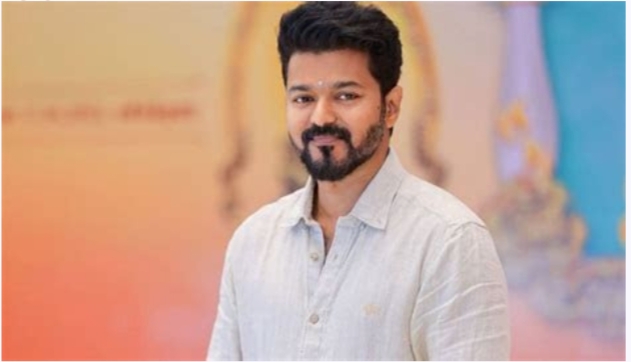
  • The Outlier Who Shattered Tamil Nadu’s Dravidian Order – meet Chandrasekharan Joseph Vijay

    The Outlier Who Shattered Tamil Nadu’s Dravidian Order – meet Chandrasekharan Joseph Vijay

    By TN Ashok.
    Chennai
    May 05, 2026
    youtube.com/@theflagpost

    He is the heartthrob of every youth — 18 to 40 adore him — he is neither good looking or handsome in the filmy sense, but has a powerful screen presence and women adore him for his dancing styles. Not a great speaker but his resonance with the youth was electric.  

    For seventy years, Tamil Nadu’s politics was a closed script. The duopoly of the Dravidian majors — DMK and AIADMK — defined the grammar of power, identity, and governance. Every election was a contest between two legacies, two families, two entrenched networks.

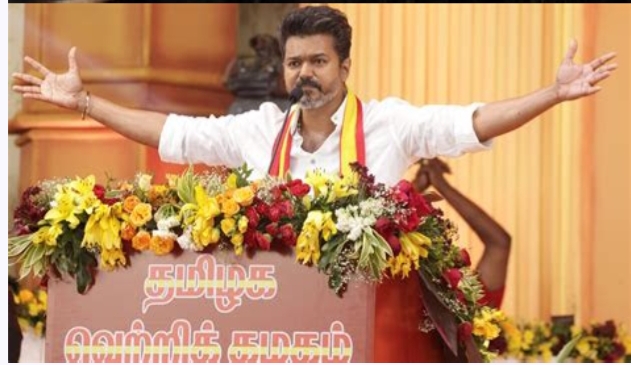
    And then, in 2026, a man with no political pedigree, armed only with cinematic charisma and a refusal to play by the old rules, rewrote the script. Chandrasekharan Joseph Vijay (C Joseph Vijay) known simply as Vijay, dismantled the Dravidian fortress and devastated the hold of a single family that had controlled not just politics but the economic arteries of one of India’s most advanced states.

    A State Built on Literacy and Industry: Tamil Nadu has long prided itself on being a model state — high literacy, industrial drive, and a cultural confidence rooted in language and cinema. Yet beneath this modernity lay a political economy monopolized by dynasties. The DMK, under M. Karunanidhi and later his son M. K. Stalin, built an empire that extended from cable television to film distribution, from real estate to advertising. Sun TV, Red Giant Movies, and a web of patronage networks ensured that opportunity itself was rationed along family lines. For decades, this was accepted as the natural order. The Dravidian frame was the only possible frame.

    Enter the Superstar: Vijay was not supposed to be a political story until 2031, analysts said. He was a box‑office phenomenon, commanding $27 million (₹250 crore)  per film, his fan clubs doubling as cultural armies. His father, director S. A. Chandrasekhar, had built the cinematic scaffolding of his stardom. But in 2024, Vijay decided the family business should be in power. With nonchalance, he launched Tamilaga Vettri Kazhagam (TVK) — the Tamil Victory Party.

    Within two years, it had crossed 110 seats in the 234‑member assembly, halving the DMK’s strength and reducing Stalin’s dynasty to rubble.

    Campaign Without Pedigree: What made Vijay’s campaign extraordinary was its frugality. In a state where politicians flaunt wealth and corruption as proof of viability, Vijay ran on optics of modesty. He didn’t need billboards. He was the billboard. His fan clubs, cultivated over decades of cinema, converted overnight into polling machinery of surgical precision. Where the DMK spent years building patronage, Vijay had already built a religion. His rallies were less political meetings than mass film premieres, with the audience already primed to believe in the hero.

    The Collapse of a Dynasty: The DMK’s calculation was simple: Vijay would split the anti‑incumbency vote, leaving crumbs for the ruling party to sweep up. Instead, he inhaled the vote. Urban corridors, semi‑urban towns, and first‑time voters flocked to TVK. The grievances were economic — monopolies, nepotism, the sense that opportunity was commodified. Vijay, himself a product of a family business, was uniquely positioned to campaign against one. The irony was cinematic: the son of a producer dismantling the son of a scriptwriter.

    Identity as Superpower: Tamil Nadu politics has always been about identity — caste coalitions, linguistic nationalism, rationalist rhetoric. Vijay refused all of it. He is Christian by faith, agnostic by identity, caste‑free by calculation. In a state where identity is political science, his refusal became a superpower. He was a clean slate onto which voters wrote their aspirations. That blankness was radical. It allowed him to consolidate grievances without distributing them along traditional fault lines.

    The Conspiracy Whisper: No Tamil Nadu election is complete without conspiracy theories. The dominant whisper was that the BJP, unable to crack the state and weary of AIADMK’s limitations, quietly bankrolled TVK’s rise. Not to win seats, but to destroy the DMK. A weakened DMK meant the southern firewall against Delhi was breached. Whether true or fevered arithmetic, the theory added a layer of intrigue to Vijay’s victory. It suggested that even outsiders are never entirely outside the system.

    Historical Echoes: Political historians reached for comparisons. N. T. Rama Rao in Andhra Pradesh, who swept into power in 1983 with cinematic charisma and Telugu pride. But the comparison is incomplete. NTR built on decades of cinema and clear cultural identity. Vijay built on two years of politics and refused identity altogether. He is a clean slate, a vessel for aspirations. That is both his genius and his governing problem.

    The Surviving AIADMK: Amid the wreckage, AIADMK under Edappadi K. Palaniswami survived. Not surged, but survived. Its rural welfare legacy and MGR loyalists kept it afloat. EPS is alive, but he is not the story. The story is Vijay — the disruptor who turned Tamil Nadu’s politics upside down.

    Governing the Ledger: Victory is one thing. Governing is another. Vijay needs eight more seats to form a majority. His campaign was built on needing no one. Now he must negotiate with Left parties, caste outfits, and minority groups. Each negotiation will chip away at the pristine outsider image. He campaigned against monopolies, but the levers of economic power remain in the hands of those he defeated. He is anti‑caste in a state where caste arithmetic still decides elections. The clean slate must now become a ledger.

    The End of Assumptions: What ended in May 2026 was not just an election. It was the end of an assumption — that the Dravidian frame was the only possible frame. For half a century, analysts, journalists, and politicians believed Tamil Nadu’s politics was immune to outsiders. Vijay proved them wrong. He showed that cinematic charisma, economic grievances, and refusal of identity could dismantle a duopoly. He showed that a single family’s grip on politics and economy could be broken.

    A State Elects a Film: Tamil Nadu has always loved cinema. It blurred the line between reel and real, between hero and leader. In 2026, it selected a film. A man who earns more per film than most politicians spend in a career, who built a party in the time it takes others to design a letterhead, has rewritten the script.

    The Dravidian dream was eaten by a superstar. The duopoly was dismantled by an outlier. Tamil Nadu, literacy‑driven and economically advanced, chose disruption over dynasty. And in doing so, it reminded India that even the most entrenched orders can be overturned by a story too compelling to ignore.
  • Wada : A Siddi village in Haliyal taluk, Uttara Kannada district, Karnataka

    Wada : A Siddi village in Haliyal taluk, Uttara Kannada district, Karnataka

    By Manjunath K. Shresthi
    April 03, 2026
    youtube.com/@theflagpost

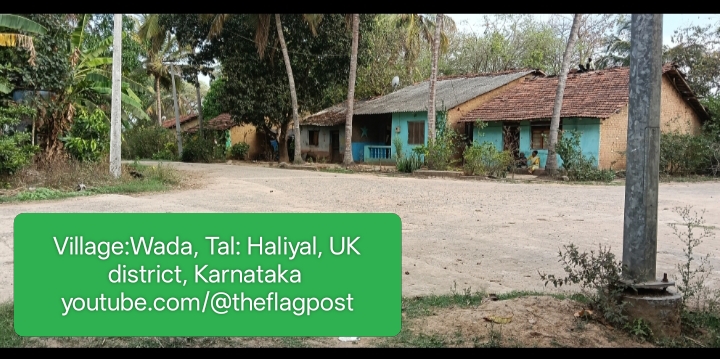
    Wada located 14 kms from Haliyal taluk lies in the interior on the Haliyal-Dandeli route. One reaches Wada via Kesarolli village, popularly known as Kesarolli cross amongst the locals. Amidst the verdant surroundings en route to Wada; one can see brick kilns; sugar cane crop on the plains and dense forest patches in the undulating terrain forming a picturesque background. After taking a left turn, there’s a dense forest patch to reach the village, which sits in the lap of nature in the western ghats.

    “I cried before God for not having shoes to wear, till I met a man who had no legs”, this is the ugly reality of the less developed parts of India. In urban and semi-urban areas, people are used to a certain quality of life, which they take for granted. But same is not the case in rural areas, cut off from the mainstream and living a hard life each day. Antony Digekar: a social worker, a paralytic, and a former Panchayat member makes a long list of the facilities that the village still lacks. The villagers made a road for themselves in 1981-83, till they reached the nala. There was no direct motor able road to the village, and buses took a turn back on reaching the nala (stream). The villagers had to walk the remaining distance to reach their homes. The Wada-Agsalkatta/Garadoli bridge work commenced during corona and was recently completed in 2023.

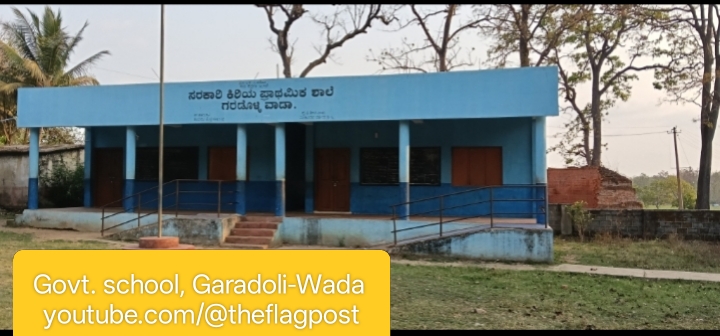
    The people of the Christian community form the majority of the households. The village was desolate and there were few people visible. The crops grown are sugar cane, paddy, maize and other pulses. The villagers expressed their anguish about the elephants destroying their standing crops. The other problem plaguing the villagers is the attack by other wild animals, and they’re ‘Bhagwan bharose (left to God’s will) without protection. Farmers and the residents are prohibited from even carrying small sickles and axes; as the forest department suspects them to stealing timber from the jungle. Wada has a school for the children, but it doesn’t have a arogya kendra and ration shop. They’ve to travel 15kms to Haliyal to get their stock of grain.

    There are ‘No Mobile towers’ for connectivity and medical facilities’ in case of emergencies. A KSRTC bus comes twice in the day; once in the morning at 7 AM and in the evening at 5.30 PM. The villages close to Wada are Garadoli, Gadagera and Kyatangera. In Wada, there are lots of educated people and they’re working as school teachers, professors and in the military. Philip Antony Siddi, another famous resident of Wada who retired from the BSF. He was the athlete who ran 800-1500 metres and set a national record in the IX Asian Games held in Delhi in 1982.

  • Karwar-Ankola: Rumours & Allegations flying thick and fast

    Karwar-Ankola: Rumours & Allegations flying thick and fast

    By Manjunath K. Shresthi
    March 31, 2026
    youtube.com/@theflagpost

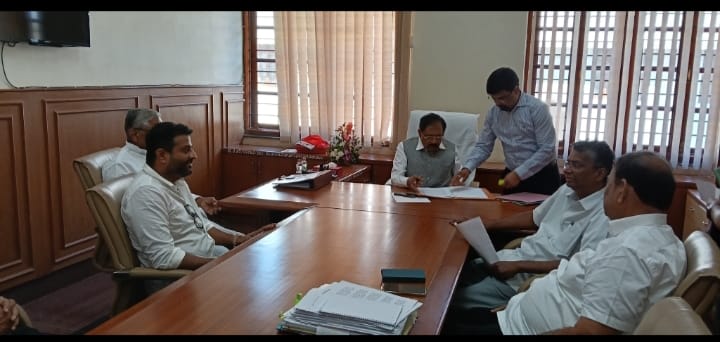
    The coastal taluk of Ankola in Uttara Kannada (UK) district, northwest Karnataka, witnessed a chilling event  last Wednesday (March 25) morning. The Congress party’s former office bearer Gopalkrishna Nayak, was followed by a gang of assailants in a life threatening attempt to murder (ATM) attack. His quick thinking along with his associate, he had a miraculous escape. The popular Congress leader is closely associated with the party’s bigwigs; he’s a familiar face in the corridors of power, and close to Karnataka’s Home Minister Dr. G. Parmeshwar.

    Since then rumours have been flying thick and fast, about who were the people who had given ‘Supari’ (contract) to eliminate him? The state of affairs in the Congress party’s politics of Karwar-Ankola’ is an open secret and known to all. Was it a political rivalry against Gopalkrishna, that led to the attack or was it some other issue?

    The politics in the assembly constituency has oscillated between the BJP & Congress party since the last three elections in 2013, 2018 & 2023 respectively. The present MLA Satish Sail, is a Congressman. He got elected a second time in May 2023 by defeating the saffron party’s Roopali S. Naik, by a narrow margin of 2000 plus votes. But the MLA has also had ED raids, and was arrested and released later in 2025.  

    In a Presser held yesterday, MLA Sail’s associate Shambhu Shetty and other local partymen distanced him from the attack.  

    Is Gopalkrishna Nayak, an MLA aspirant from the Karwar-Ankola’ assembly constituency? And has he decided to take a plunge into the upcoming assembly polls due in 2028?

  • Design Santushti 2026 Showcases Creativity & Innovation @ Dilli Haat- INA

    Design Santushti 2026 Showcases Creativity & Innovation @ Dilli Haat- INA

    By Swati Parvatiyar
    March 10, 2026
    youtube.com/@theflagpost


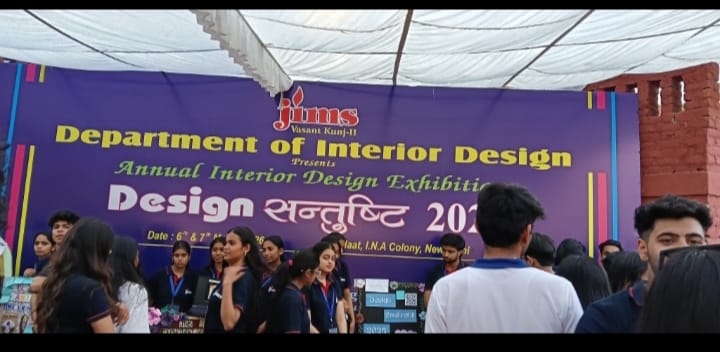
    The Interior Design Department of JIMS Vasant Kunj II, widely regarded as one of the best interior design colleges in Delhi NCR, successfully organized Design Santushti 2026, its annual design exhibition, on 6th and 7th March 2026 at Dilli Haat. The exhibition served as a vibrant platform for students to showcase their creativity, innovation, and practical design skills through unique and functional product designs.

    This year, the exhibition featured projects created by first-year and second-year interior design students, each working on distinct themes that encouraged experimentation and imaginative thinking.

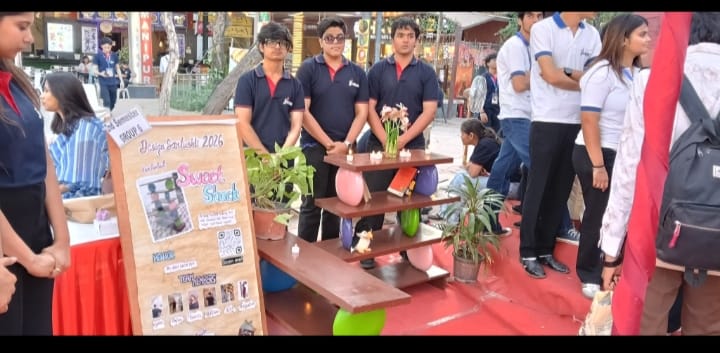
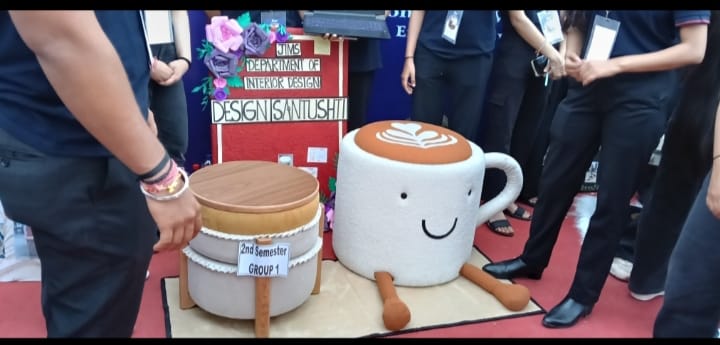
    The first-year students explored the theme “A Taste of Design.” Inspired by playful food forms, students designed creative furniture pieces such as an ice-cream cone shaped bookshelf, a watermelon shaped study table, a donut shaped coffee table, and an orange shaped bookshelf. These designs combined visual appeal with functionality, demonstrating how everyday inspirations can be translated into thoughtful design products.

    The second-year students worked on the theme “Kinetic Furniture,” focusing on designs that incorporate movement and adaptability. Their innovative creations included a kinetic sofa and a revolving coffee table, reflecting modern concepts of flexible and dynamic furniture design.

    The exhibition was attended by jury members who are leading interior designers, who appreciated the originality, craftsmanship, and innovative thinking displayed in the students’ work. Their encouraging feedback provided valuable insights and motivation for the young designers.

    The Director of JIMS VK II also visited the exhibition and commended the students for their dedication, creativity, and hard work. His presence further inspired the participants and highlighted the institute’s commitment to promoting design education.

    Design Santushti 2026 witnessed excellent footfall at Dilli Haat, with visitors showing great interest in the student creations. Several of the exhibited products were also successfully sold, giving students valuable exposure to market response and real-world design practice.

    Overall, the exhibition proved to be an enriching learning experience for all participating students, allowing them to present their ideas to a wider audience, interact with industry professionals, and understand the practical aspects of design presentation and product appreciation.

    Design Santushti, the annual design exhibition of JIMS Vasant Kunj II, continues to provide a dynamic platform for young designers to experiment, innovate, and celebrate the spirit of creativity in design.

    (The Author is Head-Interior Design Dept., JIMS Vasant Kunj II)

  • Delhi: Tibetan Uprising Day Mural unveiled

    Delhi: Tibetan Uprising Day Mural unveiled

    By Manjunath K. Shresthi
    March 09, 2026
    youtube.com/@theflagpost

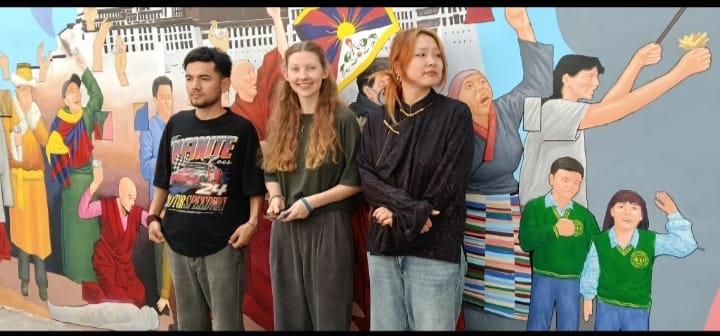
    A new public mural reflecting the March 10, 1959 uprising was unveiled today at 11 AM at Gate no. 2, near TVC School, Majnu-ka-Tilla, Delhi.

    The Patola palace mural & other details of the uprising was created by the trio of Tenzin Tselha, Lobsang Soepa & Tenzin Olden. It was completed in eight days, and they worked nine hours daily. Their hardwork has resulted in a work of exquisite beauty. The mural has been done in an aesthetic way, and the  lotus motif symbolises non-violence.

    Lea Taake, a Co-Founder of Khadhok (A Tibetan Artists Collective), shared all details and interacted with the media and the visitors.

  • The Karnataka Siddi Sports Association Uttara Kannada (Karnataka) conducts the Pro Kabaddi League Season 3 @ Haliyal

    The Karnataka Siddi Sports Association Uttara Kannada (Karnataka) conducts the Pro Kabaddi League Season 3 @ Haliyal

    By Manjunath K. Shresthi
    February 10, 2026
    youtube.com/@theflagpost

    India is a melting pot of diverse cultures and communities have been peacefully coexisting for times immemorial. The Siddi’s of east African origin too form a part of the India’s vast cultural kaleidoscope. The Siddi’s were the first to be influenced by globalisation when they were forcefully evicted from their place of birth, and transported to some distant lands on different corners of the globe. The Africans residing on the west coast were shipped as merchandise to work as slaves in the new discovered lands in the Caribbean, north, central and south American countries conquered by the European colonisers. The same story was re-enacted on the east African coast. The native African men and women were shipped to Arabian lands, and later to different countries in the far East. In India, they were brought to the western coast and their journey starts here. The Siddi’s from east Africa trace their roots to the Bantu speaking people. The Siddi’s are found in large numbers in the state of Gujarat, Karnataka and Maharashtra. They’re also present in Telangana state in the south; and some families known to reside in the Awadh region of the north Indian state of Uttar Pradesh.


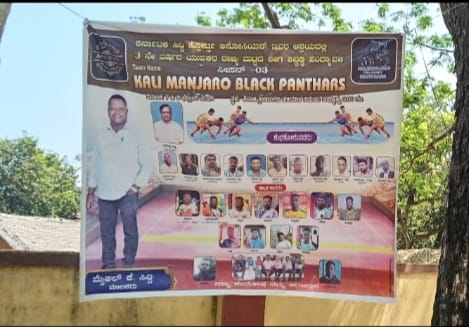
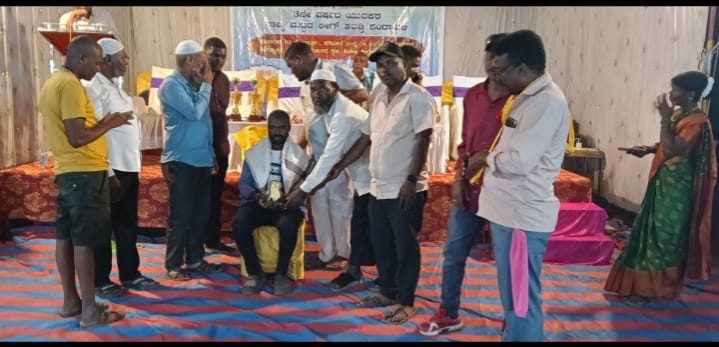
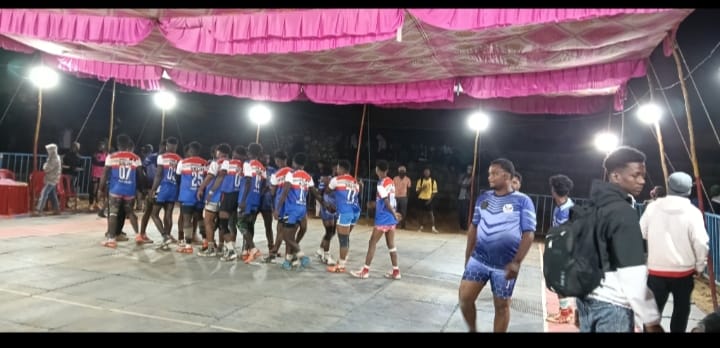
    In the southern state of Karnataka, they’ reside in the north-western part of Uttara Kannada (U.K) district. They’re found in sizeable numbers in the five taluks of: Ankola, Haliyal, Mundgod, Sirsi and Yellapur. They have their own unique culture and have distinguished themselves in all the sports they participate in. The Karnataka Siddi Sports Association held the pro Kabaddi Season-3 at the Shivaji ground Haliyal, from February 7-9, 2026. A total of nine teams participated. The matches were played mostly during the night as is their tradition. The community leaders who were present included: Anton Digekar, Monu Dodmani, Moula Ali Ajgaonkar, Saver Siddi, Allahbaksh Patil, Yakubsab Naik, Daniel and Santosh Siddi. The committee members worked the details to make the sporting event a success. Mohan Sukumar Siddi, a gold medallist in a sporting event was felicitated. The match referee along with the other officials saw that all the matches were completed within the allotted time.


    The nine teams and their respective owners who participated were: SMK Warriors, Kirwatti; Nayak Brothers, Golehalli; MS Brothers; Thunder Riders; Naik Soldiers; Kali Manjaro Black Panthers; Superstar Bhagawati; JSSD Warriors, Mainalli and FC Kalleshwar. The team with an interesting name Kali Manjaro Black Panthers, rhyming with Mount Kilimanjiro (dormant highest volcano in Tanzania, east Africa). Music and sports is in the blood of all the Siddi’s. Their talent can be tapped to its full potential, and if properly trained they’ll bring name and fame to their states and to the country at the international sporting events. The trophy was won by Naik Soldiers and the other runners up were FC Kalleshwar, Kali Manjaro Black Panthers and Naik Brothers respectively.

    There were four prizes for the first four teams of Rs. 40,000/-, 30,000/- , 25000/- and 15,000 respectively. The Department of African Studies, University of Delhi, too had jointly sponsored the third prize of Rs. 25000/-. The Haliyal-Joida MLA and senior Congress leader R. V. Deshpande wished the teams and told them to play the game in the right spirit. The commentators added spice and spoke in Kannada, Konkani, Hindi and English languages. Some of the punch lines by those in high spirits tickled the funny bone of all present there. The crowd too exchanged banter and some of them added the much needed comic relief.

  • All Roads Lead to Sh. Ulavi Kshetra in Uttara Kannada (UK) district, Karnataka

    All Roads Lead to Sh. Ulavi Kshetra in Uttara Kannada (UK) district, Karnataka

    February 02, 2026
    By Manjunath K. Shresthi
    youtube.com/@theflagpost

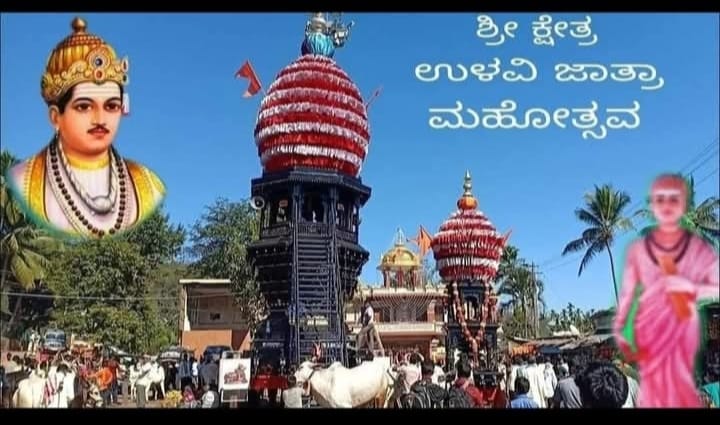
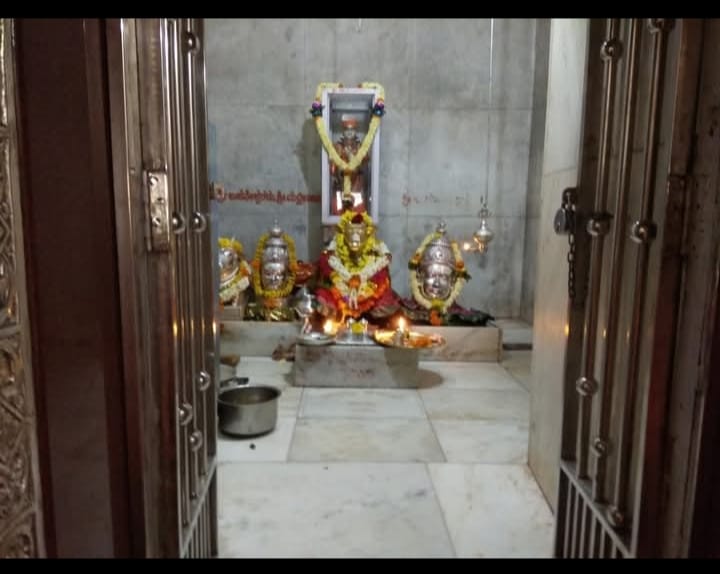
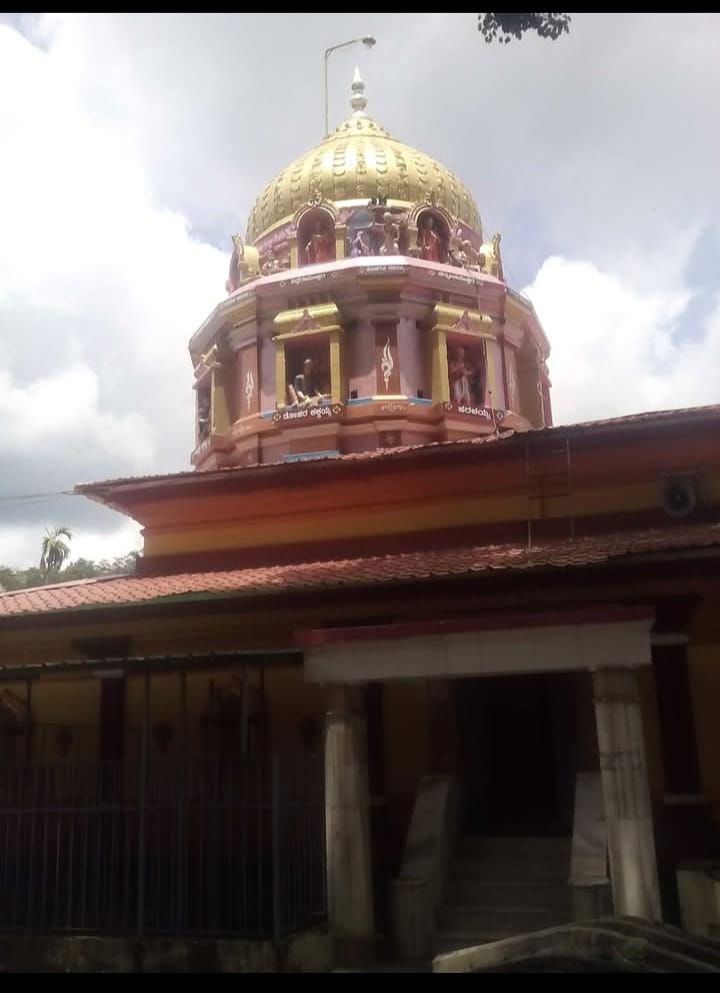
    The annual Sh. Channabasaveshwar Jatra @ Ulavi in Joida taluk Uttara Kannada (UK) district in northwest Karnataka, officially started on January 25 and will conclude on February 05, 2026. The scenic route to Ulavi makes for picturesque views, as it lies in the western ghats. The religious fair (jatra) is attended in huge numbers by the devout members of the Lingayat community in north Karnataka.

    The fair is attended by devotees from the nearby districts of Belagavi, Dharwad, Uttara Kannada district and other places. The highlight of the fair is the beautifully decorated bullock carts and tractors moving in groups to Ulavi. They carry all the necessary material that’s required to make the journey. They walk behind the carts with saffron shawls on their heads and around their necks. Some of them can also be seen walking barefoot. And it’s normal for even boys less than 10-years-old, walking with the older boys and others.

    The devotees follow old routes & travel via state highway (SH) 28, 34, 46, 93 respectively. Those from Dharwad side travel via Nigadi village on SH 28; and those from Kalghatgi taluk, travel via NH 52  take interior roads via Kirvatti to Bhagwati, Sambrani, Kulgi and converge at Kittur Channamma circle, Dandeli. And some of them are walking via Haliyal and reach Dandeli via Kesarolli/ Karka cross.

    From there they cross the Patel circle
    and the narrow bridge on river Kali in Dandeli. After reaching Bailpar on the outskirts of Dandeli, they continue their journey via the villages of Pradhani and cross the arch gate towards Ulavi.

    A farmer from Mishrikoti in Kalghatgi taluk (Dharwad district), has made news by adorning his two bulls with 30 grams gold and 150 grams silver on their four horns. The pair of bulls have half kgs silver anklets (kada) on each of all their four legs. Reflective stickers on the bulls and the back of the bullock carts have been put for better safety and visibility during the night journey. The cart owners have been advised to take care of their bulls. Drinking alcohol is strictly prohibited by all the travellers.

    As the road to Ulavi is covered with forests, arrangements for cooking/ eating food made, and they’re covered with sheets at designated places.

    The local and the UK district administration has put in bike patrolling by police teams, on the 70 kms route leading to Ulavi. A large number of policemen have been deployed for additional security. On 3rd February, the day of the chariot festival, upwards of 70,000 people will be present at Ulavi. All necessary arrangements for a safe festival have been put in place by the Sh. Channabasaveshwar Trust Committee; the village Panchayat officials,Ulavi and they’re also coordinating with the district administration.