

By TN Ashok. New Delhi
August 04, 2026
youtube.com/@theflagpost
When the dazzling lights of the silver screen fade and the chaotic din of Parliament takes over, a very different kind of performance is demanded. The Indian electorate is famously generous, often elevating celluloid demigods and sporting icons to the hallowed halls of the Lok Sabha and Rajya Sabha. Yet, once the initial euphoria settles, a pressing question emerges: Are they actually doing the work?
The transition from a beloved public figure to a dedicated parliamentarian is fraught with intense scrutiny, and the public is no longer easily appeased by a megawatt smile. Here is a look at how India’s most notable celebrities have navigated the complex theater of Indian politics.
The New Guard and the Juggling Act
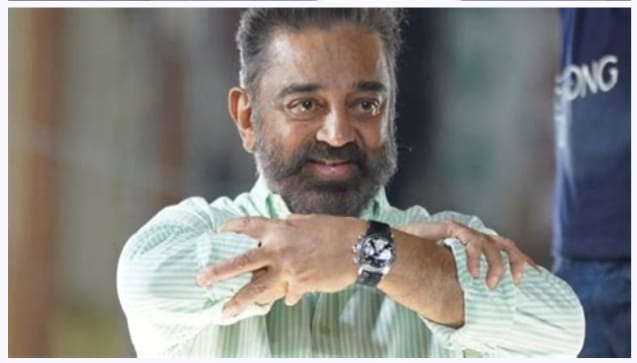
Kamal Haasan: The latest to face the harsh glare of the political spotlight is Kamal Haasan. Following a recent critical piece in the Free Press Journal, the actor-turned-politician found himself in the crosshairs of public debate. His supporters fiercely argue that it is far too early to write his political obituary. As the founder of Makkal Needhi Maiam (MNM)—now allied with the ruling DMK—he has five years to prove his mettle. However, straddling the demanding worlds of cinema and full-time politics is a monumental task. The electorate is increasingly unforgiving of part-time politicians; his limited presence in Delhi will undoubtedly require a strategic pivot if he wishes to leave a lasting legislative legacy.
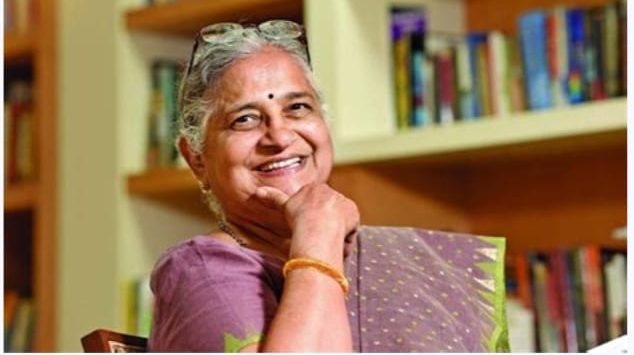
Sudha Murty: On the opposite end of the spectrum is the newly nominated Sudha Murty. A billionaire philanthropist and author, she brings a refreshing, grassroots simplicity to the Rajya Sabha. Rather than cinematic flair, Murty’s presence promises a sharp focus on education, women’s empowerment, and rural development, pivoting the celebrity narrative from “star power” to “social impact.”
The Vocal Veterans and Intellectual Heavyweights
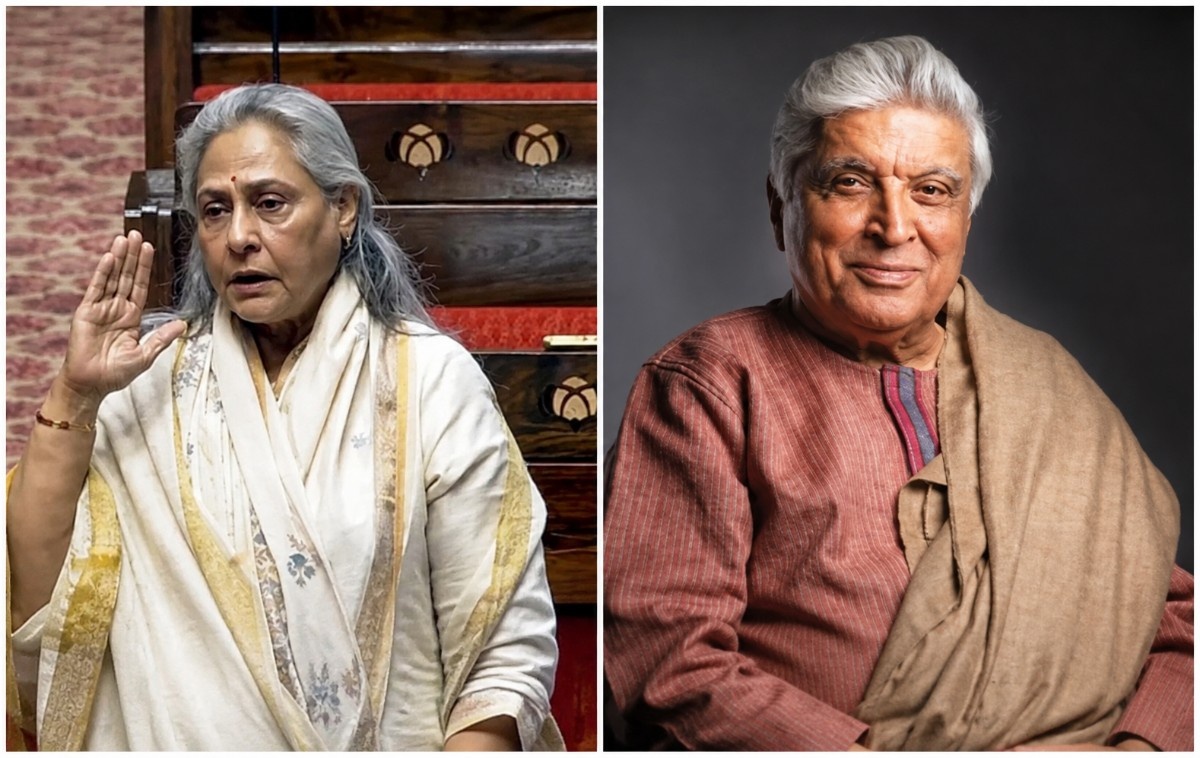
Jaya Bachchan: If Parliament were a film set, Jaya Bachchan would easily sweep the best actress in a leading role category. Entering politics under the tutelage of Samajwadi Party stalwart Mulayam Singh Yadav, and continuing under Akhilesh Yadav, she is arguably the most formidable celebrity parliamentarian today. Her tenure is marked by high attendance, fiery debates, and an uncompromising refusal to be intimidated. While she may have been overlooked for certain NGO-sponsored parliamentary awards—perhaps owing to the complex partisan leanings of jury panels—her legislative footprint is undeniable.
Shabana Azmi & Javed Akhtar: This powerhouse couple brought unparalleled gravitas to the Rajya Sabha during their respective nominated terms. Utilizing their profound experience in art, literature, and cinema, they elevated parliamentary discourse. They weren’t just figureheads; they actively championed housing rights, secularism, and copyright laws for artists, proving that cultural icons can indeed make substantial legislative contributions.
The Quiet Loyalists and The Deol Dynasty
Hema Malini: The “Dream Girl” of Indian cinema has maintained a steadfast, if subdued, grip on the Mathura constituency. Having served in the Rajya Sabha (2003–2009) before her consecutive Lok Sabha victories since 2014, her performance is often rated as average. However, her attendance is remarkably consistent for a star of her stature. While Dharmendra did serve a brief and largely quiet stint as a BJP MP from Bikaner, the political baton was passed to his son, Sunny Deol. Unfortunately, Sunny’s tenure representing Gurdaspur was marked by a notoriously low attendance record and an underwhelming parliamentary footprint, frustrating constituents who expected the “action hero” to fight for their everyday issues.
Ravi Kishan: Injecting high-octane energy into the Lok Sabha is Bhojpuri megastar Ravi Kishan. Unlike many of his quiet peers, Kishan is highly vocal, frequently participating in debates and championing regional issues with the same theatrical flair that made him a massive star in the Hindi heartland.
The Enigma of the Silent Icons
The nominations of cricketing legend Sachin Tendulkar and timeless fashion diva Rekha remain a cautionary tale regarding celebrity appointments. Both possessed phenomenal wealth and unimpeachable legacy, meaning they certainly did not need parliamentary perks. Yet, their tenure was characterized by abysmal attendance and a startling lack of participation.
Why nominate them at all?
Governments often use such nominations for optics—to associate the ruling party with universally beloved figures. To his credit, while Tendulkar may have shied away from the microphone, he generously directed his MPLADS funds toward extensive social work and charities, ensuring his financial allocations benefited the public, even if his voice was absent from the floor. Similarly, Jaya Prada, despite a promising start, eventually faded into a low-profile presence.
The Final Verdict
The Indian public is asking a very simple, potent question: “I am your fan, I buy tickets to your movies, but do you represent my everyday problems?”
When celebrities step into Parliament, the rules of engagement change. Stardom and charisma may win the election or secure a nomination, but only rigorous debate, consistent attendance, and genuine empathy for the common citizen can cement a political legacy. The era of the “silent superstar MP” is fading; today’s India demands that its idols do more than just show up—they must speak up.
