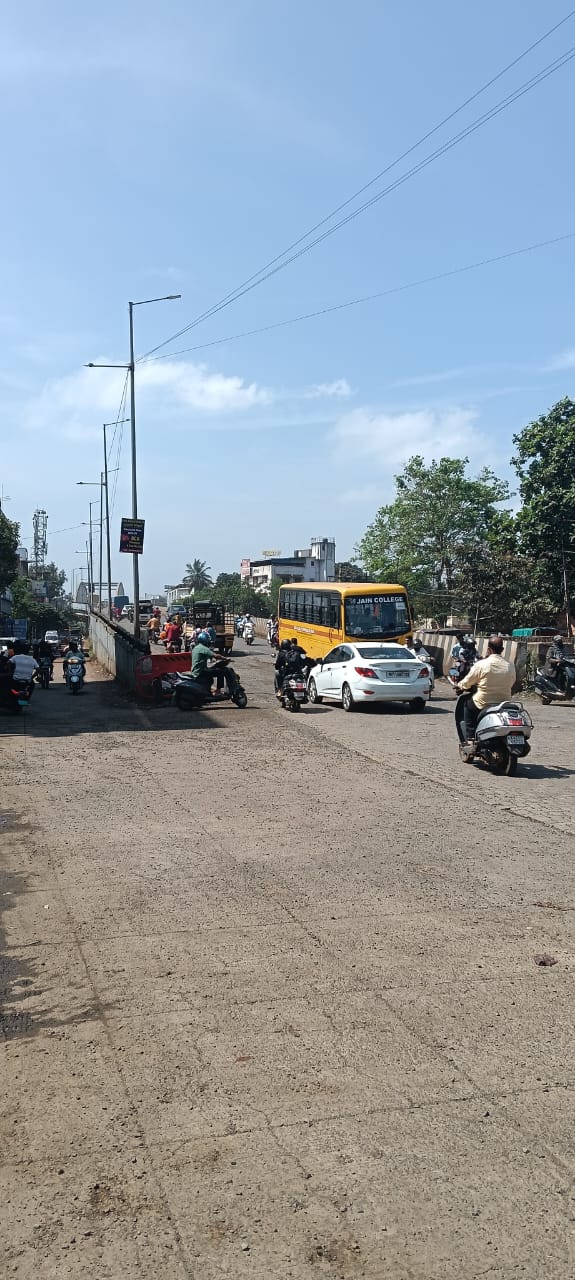
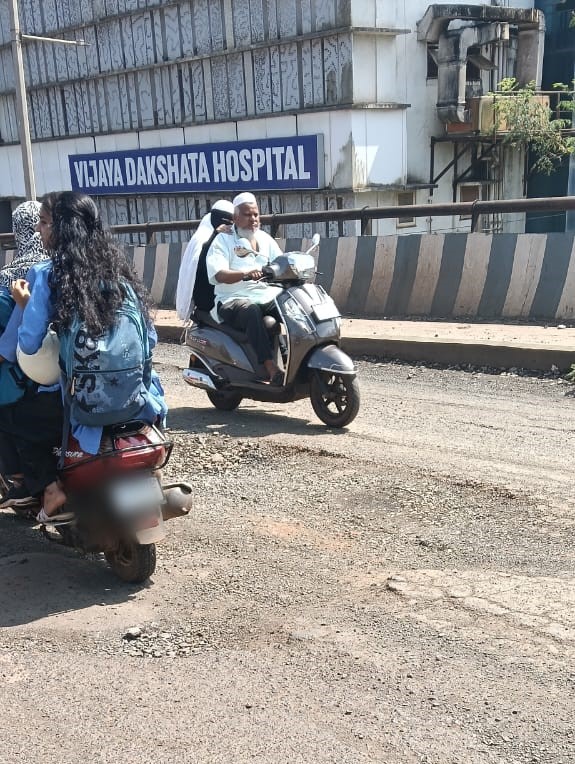
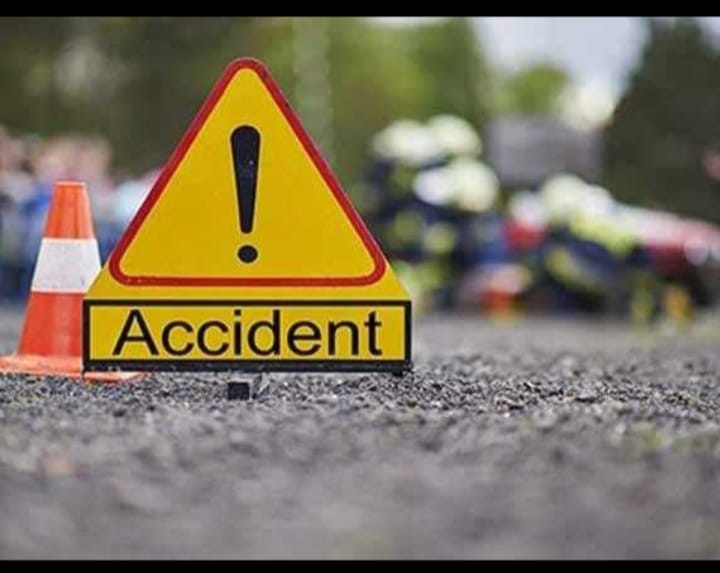
The quality of our road infrastructure has been continuously deteriorating, and the same is visible on the third gate flyover. Anyone riding, driving or walking daily on the flyover in both directions (from RPD/ Angol cross towards Udyambag/ Peeranwadi/ Khanapur/ Goa) is guaranteed of a bumpy ride.
The flyover which was built over a long period of time; but on completion it’s been riddled with potholes which are deep. Some of the two wheel riders have lost their balance and fallen down.
Those driving their medium sized and luxury cars, also have to go through similar hell. Cars with low ground clearance are particularly vulnerable. Heavy vehicles at times breakdown, blocking traffic and causing a heavy traffic jam. A footpath exists, but it has few pedestrians using it. The wear and tear of the road with jelly stones (khadi in local language) lying all over is there for all to see.
The all vehicle users at times are seen fighting amongst themselves when their bikes/cars brush against each other. They fight not for their fault, but over the substandard work done by the company which built it. This also results in vehicular congestion.
Who’s to be Blamed for the mess?
*Will the infrastructure company or contractor be held accountable for the poor quality of the flyover ?
*There’s no board of the company/ contractor who built it ?
*The concerned authorities must answer to the general public, whether the road was built using quality materials?
*Is the common man there only to pay road taxes and expect such horrible infrastructure in return?
*Who’ll be responsible if any road user loses his/her life while travelling on the flyover?
*Are the authorities waiting for a major accident to happen and will then repair it ?
*The road user must ride/drive carefully while travelling on the third (3rd) gate flyover.
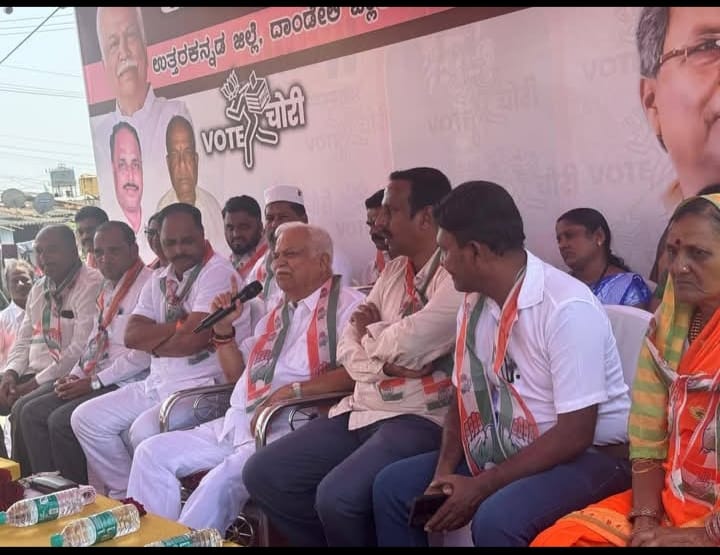
Good Economics makes bad politics, and bad economics makes good politics. Finally, there’s at least someone in the Karnataka Congress party, who finally has spoken against the government’s five guarantees. They were promised in the runup to the assembly polls held in the state in May 2023. The Congress won with a overwhelming majority then. And in November theyll complete 2.5 years.
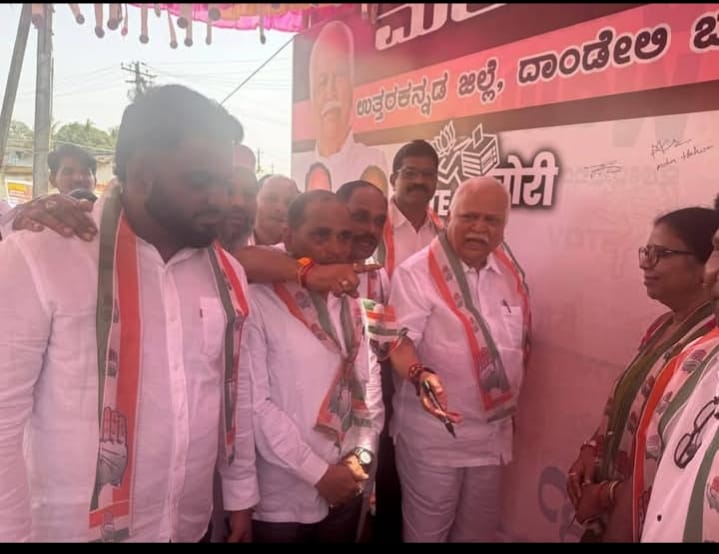
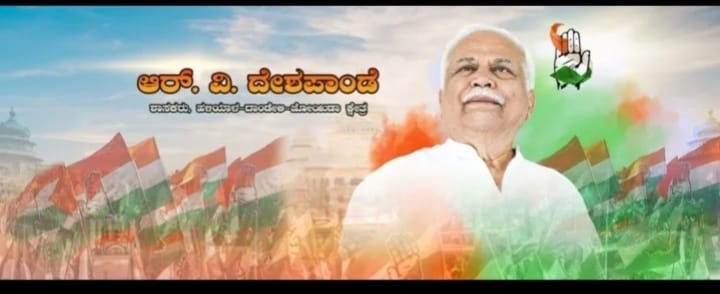
Free travel for women was one of them. They had to show their ‘Aadhar Card’ and travel free of cos. It can truly be called women empowerment. But if one were to see the KSRTC buses, they’re swarming with the women folk. RV Deshpande, a nine times MLA from Haliyal-Joida -Dandeli in Uttara Kannada’ (UK) district northwest Karnataka. The MLA spoke about how there are no seats for men, and they’ve to pay for their tickets and not get a seat to sit. This is a daily scene in the buses plying in the roads in the state.
The senior leader’s been asked for a clarification about his remark he made in Dandeli. But he’s raised a valid point and the government’s policy makers must ponder.
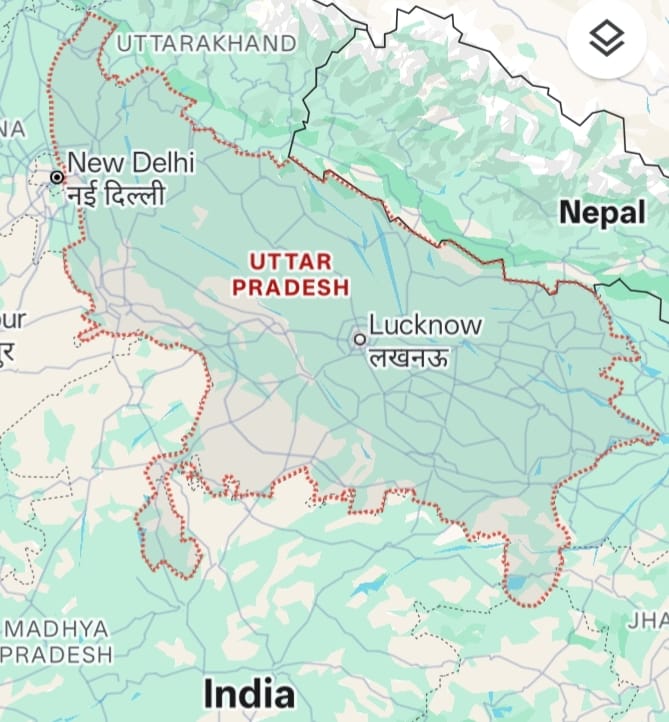
The north Indian state of Uttar Pradesh is India’s largest state, with 403 MLAs & sends 80 Lok Sabha MPs to Parliament. It next goes to the assembly polls in early 2027, with close to 15 months left.
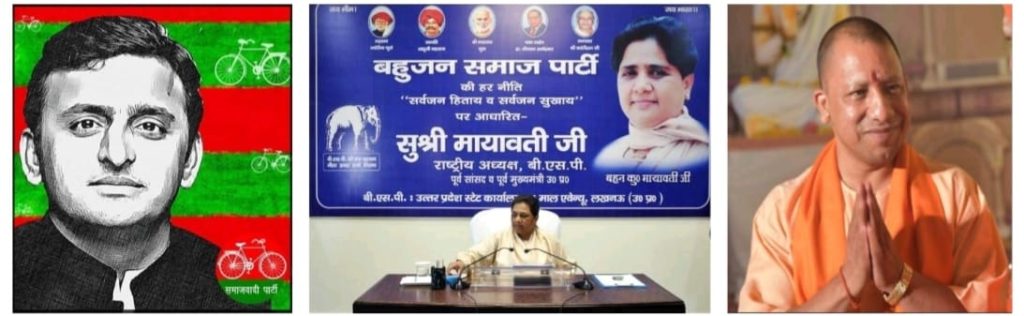
The Samajwadi Party members (SP) early this week were elated. It’s firebrand minority leader Azam Khan, a native of Rampur was released from jail. The BSP, too had lined up a big event in state capital city Lucknow on October 09. The occasion was the 19th death anniversary of party founder Late. Kanshiram.
The Ramabai park, witnessed one of the largest gathering seen in recent times by the followers of BSP’s Behen Mayawati. The event had strong political messaging by the BSP, that it still could turn the politics in the state to its advantage. The BSP supremo, has been the Chief Minister for four times. And the cadre and supporters assembled there, wished that she should become the CM for the fifth time.
Behenji last held the Chief Minister’s post of Uttar Pradesh from 2007-12. And in the last 13 years, her political graph has nosedived. In the assembly & Lok Sabha polls held in 2022 & 2024 respectively. The BSP currently has little or no representation in the state assembly and in Parliament.
The Samajwadi Party (SP) has filled in the political void and has been putting a brave front against the saffron party. Akhilesh Yadav, was Chief Minister from 2012-17; and since 2017 till date, the BJP under Yogi Adityanath is ruling the state.
Why did Behenji praise CM Yogiji?
During her long speech, she said that, “the current dispensation in the state took care and maintained the structures of her icons, she built in their honour during her tenure as the CM”. But she went allout in criticising the Samajwadi Party & Akhilesh Yadav. That they remember PDA & Dalit icons only when in power.
Is Behenji doing mike testing, or is she marching to someone else’s tune? In the 2022 assembly polls, the SP won 111 seats. And in the 2024 Lok Sabha (LS) polls, they won 37 of the 80 seats. The highest tally ever won by the party. Is the BJP worried of the SP’s increasing popularity in the state?
Will Behenji continue the momentum of addressing rallies in different parts of the state? Or will she confine herself to celebrating birth & death anniversaries? Will she be able to win a large number of assembly seats? Or will she be contented to increase her vote share amongst different sections of society & thereby affecting the SP’? And if she succeeds in containg the SP, will it be ‘Advantage BJP & Yogi Adityanath’ ?
Does Samajwadi Party’ have a ‘Plan B’?
The BJP has sold it’s double engine & bull dozer model in the state. And it repeats about the improved ‘Law & Order’ in the state. As a result, they have cultivated a dedicated section of followers & grassroot supporters. And with Behenji getting active in the state, this may directly affect the Samajwadi Party’s poll prospects?
When Kantara dropped quietly in Karnataka in September 2022, nobody expected a rustic, modestly budgeted Kannada film to shake the Indian box office. Written, directed, and headlined by Rishab Shetty, this ₹15-crore gem detonated into a ₹400-crore juggernaut, dethroning even KGF: Chapter 2 in its home state and grabbing global attention. It wasn’t just a movie—it was a cultural earthquake.
Now, Shetty has swung back with Kantara: Chapter 1—a prequel that goes deeper, older, and darker, pulling audiences straight into the myth-soaked soil of Tulunadu. Released October 2, 2025, the film turns the clock back to the Kadamba dynasty era (~4th–6th century CE) and digs into the raw origins of spirits, rituals, and guardians that haunted the original.
First Impressions – A Tribal Epic
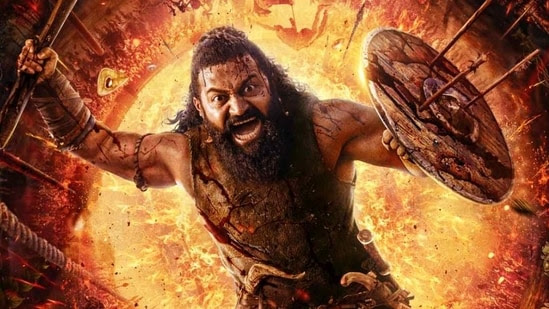
I caught the film’s first day, first show at Regal in downtown New York. The hall was near full,buzzing with anticipation. I hadn’t even seen the original Kantara, yet Chapter 1 swallowed me whole. This wasn’t just cinema—it was a ritual. Rishab Shetty creates a world steeped in superstition, feral worship, and divine rage. It’s primal storytelling that claws at your instincts. The central arc? Berme, a warrior figure who channels tribal gods to resist enslavement by a tyrant King of Bangra—an echo of Pharaohs enslaving the Hebrews until Moses rose. Berme is that Moses. His defiance, possessed by half-human, half-divine ferocity, powers the film.
The Cast – Ferocity and Firepower
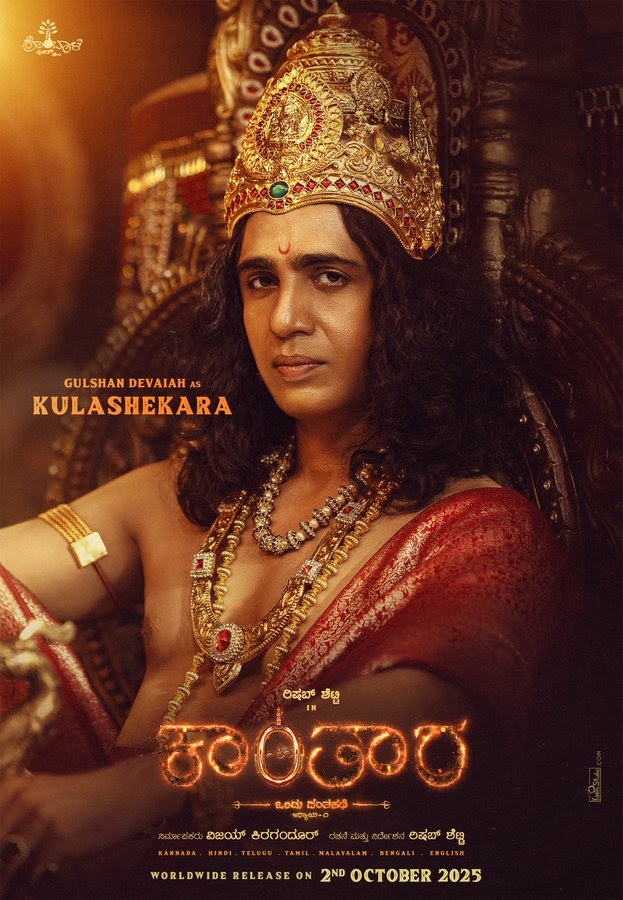
Shetty doesn’t just write and direct—he shoulders the protagonist role, pouring raw energy into every frame. Opposite him, Gulshan Devaiah, usually known for restrained performances (Dahaad), unleashes his inner beast as the debauched King Kulashekara. Veteran Malayalam and Tamil cinema actor Jayaram as his father and Rukmini Vasanth as Kanakavanthi—the tigress princess who roars as fiercely as she loves—round out the drama. It’s gutsy casting, and it works. Shetty demands nothing less than feral performances from his ensemble, and the payoff is visceral.
Folklore, Myth, and the Roots of Fear
At its thematic core, Kantara is about the eternal conflict: man vs. nature, tradition vs. power, and the fragile ecology of spirit, land, and people. The film leans heavily on Bhoota Kola, the living ritual of spirit worship in coastal Karnataka—particularly Panjurli Daiva (the protective boar spirit) and Guliga Daiva (the chaotic destroyer).
These aren’t cinematic inventions. In Tulunadu, these rituals, sacred groves, and oral chants (paddanas) still shape daily life. Shetty doesn’t garnish his film with folklore; he builds his story on it. In Chapter 1, he pushes myth further, blending history with imagination, creating a semi-mythic realm where tribal defiance meets divine possession.
From Yakshagana Stages to Global Screens
Shetty’s rise has the flavor of a legend itself. Born in Keradi, steeped in Yakshagana folk theatre, he slogged through odd jobs before making films. His directorial path ran from Ricky (2016) to Kirik Party (a college blockbuster) to the National Award-winning Sarkari Hi. Pra. Shaale (2018). As an actor, he shone in Bell Bottom (2019) and Garuda Gamana Vrishabha Vahana (2021). But Kantara was the ignition point. A “small” regional film that rewrote rules, proving rooted stories could resonate nationwide, even globally.
The Scale and the Stakes
The first film’s ₹400-crore miracle was earned, not manufactured. Dubbed versions in Hindi, Telugu, Malayalam, and Tamil found mass audiences. Overseas, it pulled in ₹40+ crore. It showed that a story drenched in local ritual and land rights could fight—and win—against flashy spectacles.
With Chapter 1, Shetty ups the ante. Reports peg the budget near ₹125 crore, with sets, costuming, and VFX going full epic. Bulgarian stunt director Todor Lazarov (“Juji” of RRR fame) choreographs battles, promising an adrenaline-fuelled ride. The ambition is clear: this is not just a prequel—it’s a mythological reimagining on a grand canvas.
Rajamouli Comparisons – Fair or Not?
Critics are already calling Shetty the “Rajamouli of Karnataka.” It’s tempting. Both directors weld myth, history, and spectacle. Both elevate the local to pan-Indian. But the comparison is imperfect. Rajamouli works with pan-Indian epics like Baahubali and RRR. Shetty mines the hyper-local—tribal rituals, Tulunadu folklore, syncretic deity worship. Rajamouli commands massive studios and resources; Shetty’s rise has been scrappier, riskier, more grassroots. If Rajamouli is the myth’s emperor, Shetty is folklore’s warrior. And that distinction makes his work thrillingly original.
Verdict – A Cultural Experience, Not Just a Movie
Kantara: Chapter 1 is more than a prequel. It’s a reclamation of stories whispered in villages, danced in rituals, and carried through centuries of oral tradition. It’s myth, yes—but myth rooted in lived culture. Rishab Shetty proves he isn’t just chasing spectacle; he’s anchoring scale to authenticity. That’s why Kantara isn’t just cinema—it’s a cultural jolt. The visual impact is so immense , the film is totally immersive, making it an experience.
Go see it in theatres. Feel the drums of Bhoota Kola, the roar of Panjurli, the fire of Berme’s defiance. In an age when films often sell you glitter without soul, Kantara: Chapter 1 gives you both. But the verdict is clear: Shetty hasn’t just made a film. He’s lit a torch for rooted, feral, unapologetic cinema. And right now, Indian film needs exactly that.
The NH 52 is the fourth longest national highway in the country, connecting Ankola in Uttara Kannada( UK) district, Karnataka to Sangrur in the northern state of Punjab.
But the highway is now seeing an increasing number of hit and run cases. And in most of the times, the large vehicles especially buses and trucks are involved. Because of over speeding and rash driving, certain stretches of the highway which are known to be desolate.
The stretch between Yellapur to Kirvatti is witnessing severe accidents resulting in quick death. The two wheel bikes are the victims who get hit, and lose their precious lives. Rash and negligent riding even on their part cannot be ruled out.
So, the highway authorities along with the Karnataka state administration, should think out-of-the-box and find lasting solutions to fix over speeding. They must undertake drives to educate pedestrians and teach the importance of road safety measures. This will help in saving lives of cattle and also the people using the road.
By TN Ashok youtube.com/@theflagpost Sept. 11, 2025
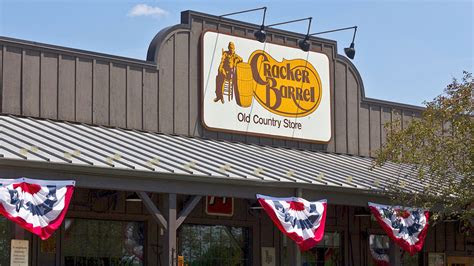
Cracker Barrel thought it could slick up its image. Instead, it got smacked with a social media skillet.
The down-home chain famous for rocking chairs, peg games, and biscuits drowning in gravy tried to rebrand itself last month with a new, modern logo—ditching its beloved “Uncle Herschel” character and even scrubbing the heritage tagline “Old Country Store.” The makeover was supposed to lure younger customers. Instead, it triggered a meltdown that reached all the way to the Oval Office.
Donald Trump blasted the change on Truth Social as “a mistake.” Loyal diners screamed betrayal online. And within a week, the company waved the white napkin, junking the new logo and promising that the fireplaces and antiques weren’t going anywhere. Shares shot up 8% the day Cracker Barrel backtracked.
The lesson ? In America, you can mess with portion sizes, you can jack up menu prices—but you don’t mess with nostalgia.
From Comfort Food to Corporate Confusion
Cracker Barrel has been struggling to stay fresh. Same-store sales have sagged, and younger crowds see the chain as a kitschy pit-stop on long road trips, not a go-to dinner spot. So in 2024, executives rolled out a “strategic transformation plan” that called for remodeling up to 30 locations in 2025.
Behind the scenes, it was about making kitchens more efficient, layouts sleeker, and operations smoother. Customers would never notice those changes. What they did notice was the chain’s new “modern” look—antique clutter gone, logo stripped bare, and Uncle Herschel sent packing. The move was supposed to scream relevance. Instead, it screamed betrayal.
Social Media Served It Cold
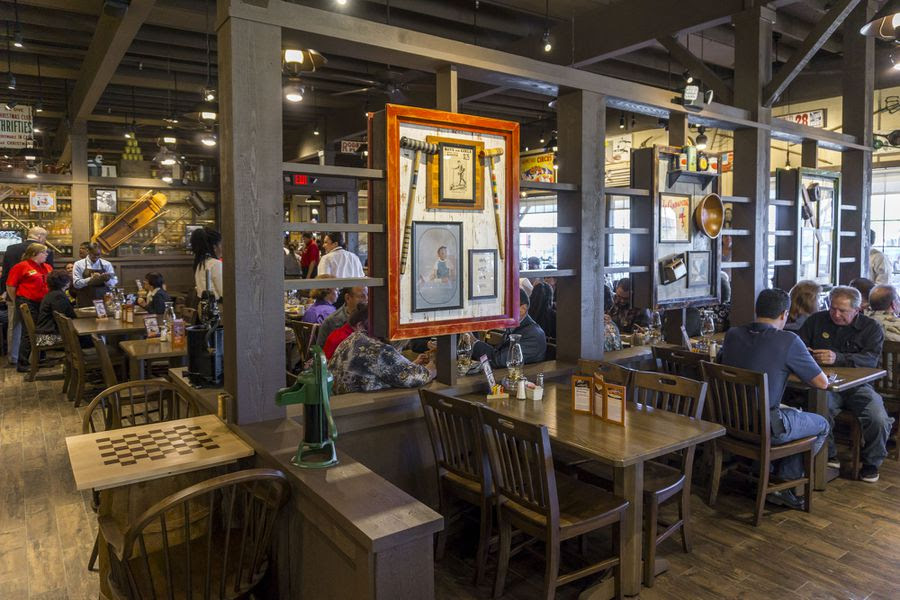
The backlash was instant. Facebook, TikTok, and X lit up with memes mocking the new logo as bland and corporate. “This isn’t Cracker Barrel—it’s Airport Barrel,” one user joked. Others compared it to Panera, Chipotle, or worse: a gas station café. For longtime fans, the makeover felt like an erasure of the very things that made Cracker Barrel special: the creaky wooden floors, checkerboards on the tables, and country-store clutter that made every meal feel like Sunday at grandma’s. Trump’s intervention only poured gas on the fire. When the former president calls out your new logo, you know you’ve misread the room.
Cracker Barrel Joins the Hall of Rebrand Shame
The restaurant chain isn’t the first company to face-plant trying to look hep. The corporate graveyard is filled with “new looks” Americans hated:
Tropicana (2009): The OJ giant ditched its orange-with-a-straw carton for a bland minimalist box. Sales plunged 20% in two months. Old carton back, crisis averted.
Gap (2010): Tried to swap its classic blue square logo for a Helvetica horror. Outrage was so fierce, the old logo returned in one week flat.
Coca-Cola (1985): “New Coke” remains the most infamous branding blunder of all time. Furious fans forced Coke Classic back onto shelves in just 79 days.
Pizza Hut (2000s): Briefly flirted with calling itself “The Hut.” Customers thought it sounded like a dorm hangout. In each case, Americans didn’t just dislike the change—they revolted.
Why We Love the Old Stuff
The fury over Cracker Barrel isn’t just about fonts and logos. It’s about identity. Americans cling to heritage brands for a few reasons: Nostalgia sells. In a chaotic world, old logos feel safe and comforting.
Authenticity matters. Quirky mascots and cluttered dining rooms feel real. Sleek minimalism feels fake. Tradition runs deep. Families have been pulling over at Cracker Barrel for decades. The old look is part of the ritual. Cultural icons stick. Coca-Cola, Levi’s, Harley-Davidson—these aren’t just products. They’re symbols of Americana. When companies strip away history, they strip away what people are buying in the first place.
Back to the Rocking Chairs
Faced with a mutiny, Cracker Barrel slammed the brakes on all remodels. Only four of its 660 restaurants had been redone before the retreat. The company now promises “the vintage Americana you love will always be here—the rocking chairs on the porch, our fireplaces and peg games, unique treasures in our gift shop and antiques pulled straight from our warehouse in Tennessee.” Translation: we won’t mess with your biscuits again. The irony ? Cracker Barrel can still modernize plenty—just quietly. Update the kitchens. Streamline supply chains. Go digital on the back end. But the front end—the logo, the porch, the country clutter—is sacred ground.
The Bottom Line
Cracker Barrel’s stumble shows the double-edged sword of being a heritage brand. Customers don’t just like the old identity; they demand it. Change too much, too fast, and the revolt will be louder than a frying pan hitting the floor.
In the end, Cracker Barrel learned what Coca-Cola, Tropicana, and Gap learned the hard way: America doesn’t just eat your food—it eats your story. And if the story doesn’t taste right, no amount of “modern” will save you. For a company built on nostalgia, the safest bet is to stop chasing sleekness and lean harder into what people already love. Because when it comes to comfort food and comfort brands, America isn’t hungry for change—it’s hungry for tradition.
By Manjunath K.Shresthi youtube.com/@theflagpost September 04, 2025
The discussion on the need for medical services in Uttara Kannada UK district in northwest Karnataka bordering the state of Goa, took a completely different turn. The Haliyal-Joida- Dandeli assembly constituency is represented by senior Congress leader RV Deshpande, who’s been elected for a record number of nine times (09) from there.
Two days ago, during RV Deshpande’s visit to Joida, a lady journalist, questioned him about the lack of quality medical services in Joida? When “the MLA in zest or for reasons best known to him, & his highly objectionable reply has now taken a controversial turn”. Along with the different organisations, the BJP sensing a political opportunity is trying to fish in the troubled waters to its own advantage.
In his long career spanning four plus decades, RV Deshpande, has lost only once. Sunil Hegde, once won the seat when he contested on the JD(S) ticket, and he’s now in the BJP. RV Deshpande the senior Congress MLA, is known to carefully measure his words. But in a rare slip of his tongue, he has made a statement which is now trending & making national headlines.
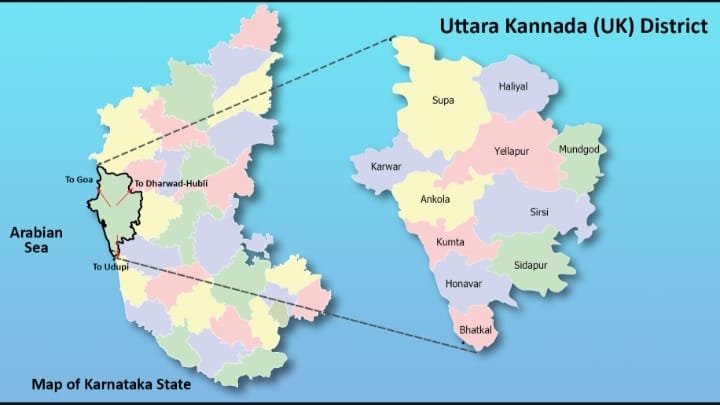
But the larger public is unaware of the problems plaguing Uttara Kannada (UK) district. They must remember that it lacks a good hospital in the geographically large district. It has five coastal taluks north to south, starting from: Karwar, Ankola, Kumta, Honnavar and Bhatkal. The interior taluks are: Joida, Dandeli, Haliyal, Yellapur, Mundgod, Sirsi and Siddapur. Majali in Karwar taluk shares land border with Goa near Polem checkpost on NH 66. Anmod checkpost in the large Joida taluk, shares border with Goa. One can travel via the Ramnagar intersection (in Karnataka) on NH4A to reach Goa via Molem.
The people from areas in north UK district, prefer going to Goa for their medical treatment. Those of them in the southern coastal taluks (read in this order north to south Kumta/Honnavar/Bhatkal) travel to Udupi, Mangalore side for quality medical services. And those in the interior taluks of: Joida, Dandeli, Haliyal, Yellapur, Mundgod, Sirsi and Siddapur travel to Hubli and Shivamogga side.
The Uttara Kannada (UK) district, is strategically located. It has its share of political heavy weights from the two major political parties in the BJP and the Congress. In spite of the ruling party’s earmarking and allocating budgets for the same; till date it has still not got a noteworthy multi-specialty hospital.
The public has a genuine demand for a quality medical center, but it’s caught in politics and there’s none to seriously pursue it. The people in UK district have long been suffering, and their protests have continuously fallen on deaf ears.
During medical emergencies, time is a precious commodity and they have to travel long distances in ambulances or by private modes of transport. The journey can become burdensome for all involved. And in some serious cases, it may become their final journey on the highway of death. It’s a race against time for the near and dear ones of the patient to reach a multi-specialty centre during the golden hour. And a long distance travel for an ailing patient/trauma victim on borrowed time, is a remedy worse than the disease.
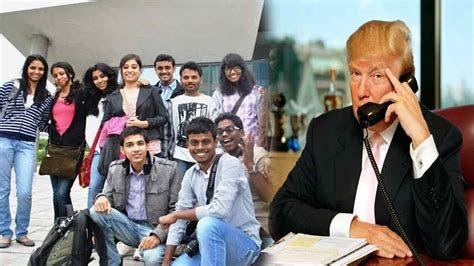
America. The dream. Ivy League. Silicon Valley. Wall Street. For Indian students, it was paradise. Families sold land. Took loans. Spent savings. All for that U.S. degree — the golden ticket to jobs, green cards, and glory. Now? The dream looks cracked.
Visa Roulette
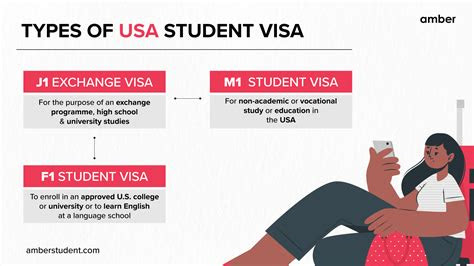
Step one: the student visa. Once a routine. Now a battlefield. F-1 applicants grilled. “Will you return home?” “Are you secretly chasing a green card?” Rejections rise. Interviews end in tears. Top GREscorers walk out with nothing. Future killed before it starts.
H-1B Hell
Next hurdle: the H-1B work visa. Indians dominate it — nearly 70%. IT, engineers, coders. But Trump’s America says “Hire American.” The lottery is brutal. And the odds are worse than Las Vegas.New rules demand fat salaries. Start-ups back off. Small firms exit. Big Tech fights on, but slots shrink. Result? Graduates with $100,000 degrees and no job and no future. The next option is the temporary work permit, it offers a lifeline. But Trump allies want it axed. Deportation fear stalks campuses.
Love on Hold: It’s not just careers. It’s love. H-4 visas let spouses of H-1Bs work. Not anymore. Trump’s rollback froze thousands — mostly women — at home. Careers are dead. Dreams buried. Couples split. Weddings postponed. Families torn apart. Life on hold.
Green Card Mirage: The ultimate prize? Permanent residency. For Indians, the line is endless. Decades long. Files gather dust. Trump pushed “merit-based” filters. More checks. More delays. Even whispers of denaturalisation. Message clear: Even if you play by the rules, don’t expect a green card.
The Cost of Survival: On campus, survival is a war. Tuition: $60,000 a year. Add rent, insurance, food. Loans crush families back home. Homes mortgaged. Fathers retire late. Mothers pawn jewelry. Jobs are scarce. Off-campus work is banned. Break the rule, get deported.
So students scrub dishes in dorms. Stack books in libraries. Work three shifts. All while chasing grades. Stress mounts. Racist slurs sting. Attacks make headlines. Mental health cracks. Counselors see tears, but stigma keeps kids silent.
Trump’s Shadow : Trump sells it as patriotism. “Foreigners steal jobs from our kids,” he roars. His base cheers. But students are pawns. Indians pump $13 billion a year into U.S. universities and towns. They overtake Chinese as the biggest group on campus. Yet politics trumps economics. Optics beat facts.Europe Rising: The backlash has an echo. Canada lures many. But it too caps visas now. Housing crisis bites. Germany is tempting with cheap tuition. But jobs aren’t easy. Language is a wall. Britain reopens doors with post-study visas. But politics is a storm too. Still, for many Indians, these lands feel safer bets than Trump’s America.
The Gamble: Yet thousands still apply. Every year. Despite the odds. Despite the risk. Some hit the jackpot. Jobs at Google. Wall Street roles. Start-up success. Riches and fame. Others crash. Degree in hand. Forced home. Dreams shattered. For most, it’s a gamble. America is no longer a promise. It’s a casino. High stakes. High costs. Slim chances.
The Reddit Cry: One Indian student asked online: “What’s wrong with us? Why does every country want to limit us?” The answer: Nothing. Indians are smart. Ambitious. Driven. But numbers spook governments. Politics feeds fear. Students pay the price.
The Harsh Lesson: Trump’s America teaches one thing: The U.S. dream is no longer golden. It’s fragile. Costly. Painful. Not a promise. A bet. And that may be the hardest lesson Indian students ever learn.
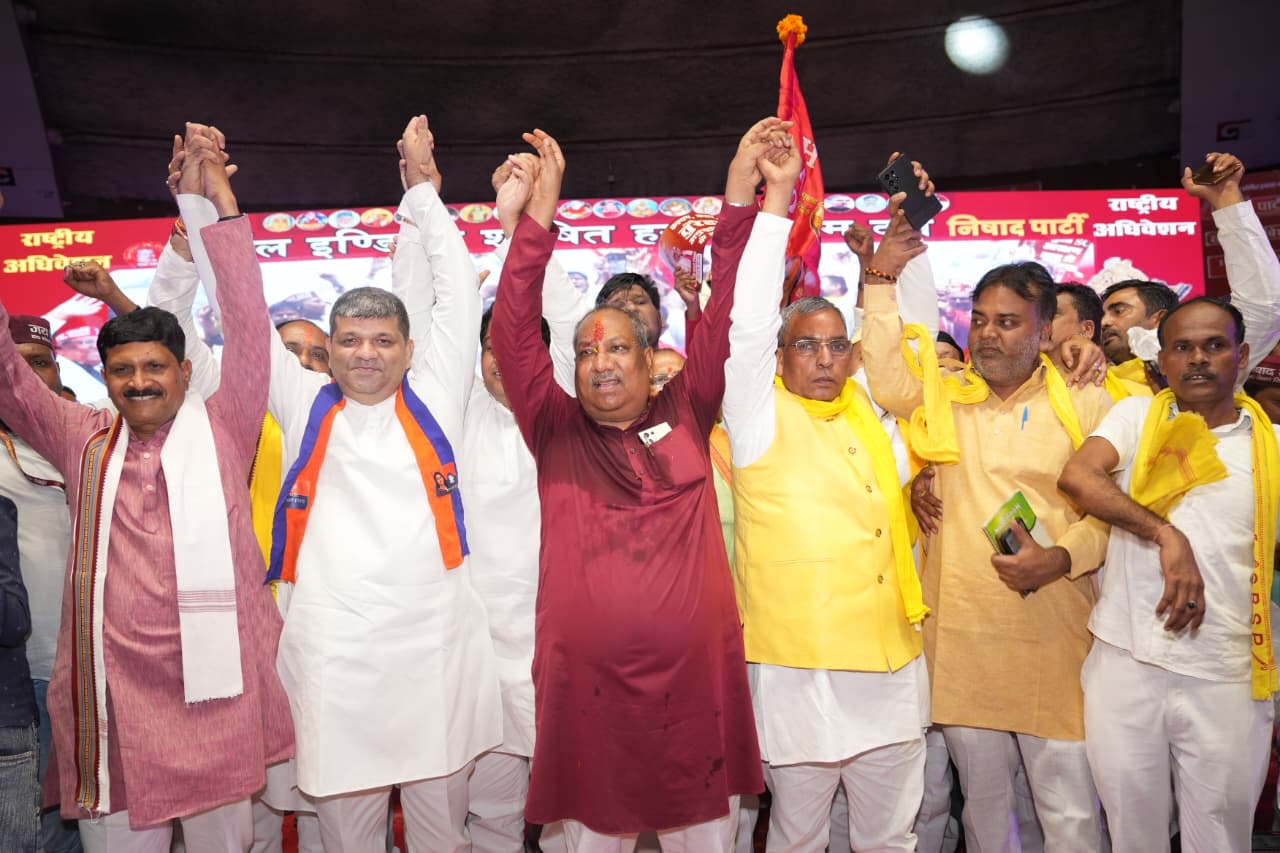
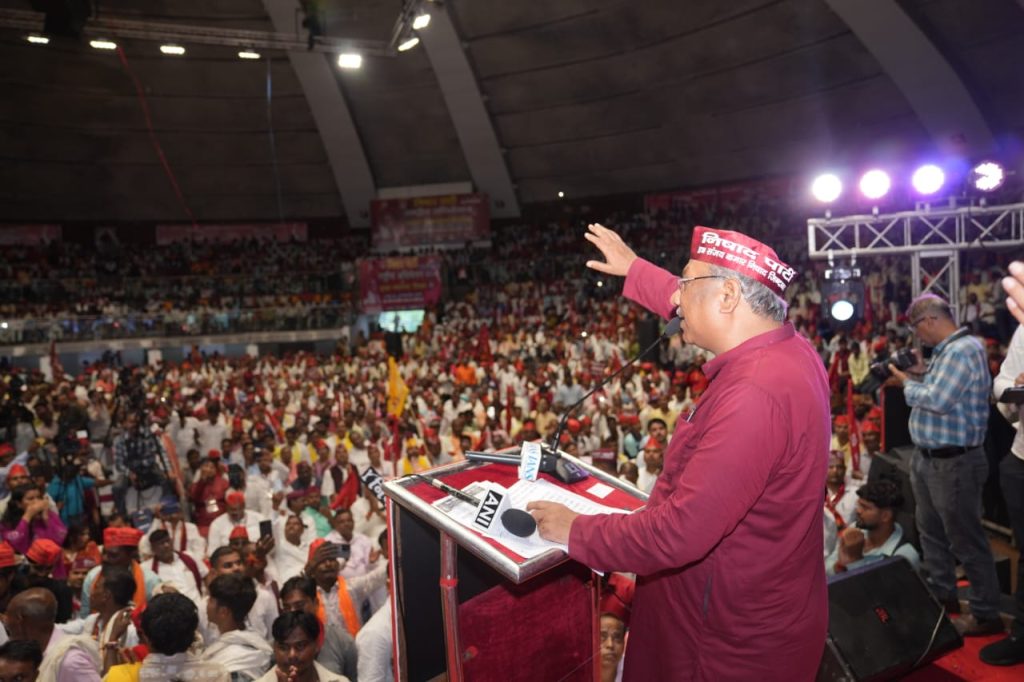
On the national convention and 10th Foundation Day on August 20, the Nishad party rally concluded at Talkatora Stadium, New Delhi. A grand display of unity and strength of the community was witnessed. Thousands of members of the Nishad and fishermen communities gathered, sending out a strong message that their voice could no longer be ignored.
Suheldev Bharatiya Samaj Party & Minister, Government of Uttar Pradesh) Om Prakash Rajbhar (National President spoke that “Today, Dr. Sanjay Nishad has united the riverbank-dwelling communities at Talkatora Stadium in Delhi, making them count politically. Those who once never considered the Nishad community worthy of being counted are now compelled to recognize their importance in Uttar Pradesh and across the country. Nishads were once considered weak, but in the last 10 years, the party has grown rapidly in Uttar Pradesh. The so-called PDA leaders have only exploited backward and scheduled castes, including Nishad, Kevat, Mallah, Bind, Kashyap, Bhar, Rajbhar, Patel, Kurmi, and Jat. For 70 years it was the Congress party, Samajwadi Party and Bahujan Samaj Party discriminated against our castes like flies in milk. But today, the red flag of the Nishad Party waving in Delhi indicates that if our community is denied its rights, then not just Delhi, but the Assembly in Lucknow too will be surrounded.”
Ashish Patel (National President, Apna Dal (S) & Minister, Government of Uttar Pradesh) said that Dr. Sanjay Nishad, who has treated people with sweet pills in electro-homeopathy, must now give a permanent treatment to the opponents of reservation. Today, the real PDA is present on this stage – RLD, SBSP, Nishad Party, and Apna Dal (S). The key to power lies with these four parties.”
Chetan Chauhan (National General Secretary, Rashtriya Lok Dal & MP from Bijnor) said – The unity shown by the Nishad community in Delhi is historic. Rashtriya Lok Dal and our President Jayant Chaudhary Ji stands firmly with you. We wish a bright future for the Nishad Party.”
Address by Dr. Sanjay Kumar Nishad (Cabinet Minister, Fisheries Department, Government of Uttar Pradesh & National President, Nishad Party) spoke “about how the party was formed 10 years ago . Today, the party has become the powerful voice of Nishad, Bind, Kevat, Mallah, Kunwar, Gond, Kashyap, and all hardworking communities not only in Uttar Pradesh but across India. Our biggest issue is Reservation and Constitutional Rights. We must remember that the Constitution has given every society the right to equality and justice. But for 70 years the Congress party , and in the next 19 years, SP and BSP discriminated against us and deprived us of our rights. He further added that the struggle was not limited to Delhi or Lucknow; and the fight would reach every village, street, and home. If our society remains united, no power can deny us our constitutional rights. This is not just the fight of one person or one party this is the struggle of the entire Nishad community. We all must move forward with unity. Organization is our biggest strength. If our people can come to Delhi, they can also march to surround the Assembly in Lucknow. We must fulfill the dreams of our ancestors and secure a strong future for our coming generations.”
Dr. Sanjay Kumar Nishad also announced that the Nishad Party will officially contest the upcoming Bihar Assembly elections. In his speech, he spoke that “the community must move forward with strength, unity is power, and only through a strong organization can we become strong. This struggle is not of one individual but of the entire society. I call upon all workers present here to take a pledge that they will rise above caste, sub caste, and regional divisions to unite the strength of our people and realize the dreams of our forefathers.”
The event was attended by: E. Praveen Nishad, Malti Devi Nishad, S.K. Tomar, Anil Nishad, Raghurai Nishad, Kamlesh Nishad, Ravindra Mani Nishad, Mithailal Nishad, Janaknandani Nishad, Babu Ram Nishad, Vyas Muni Nishad, Sanjay Singh, Babulal Kevat, Belas Nishad, Mahendra Nishad, Hari Om Nishad, Rakesh Nishad, Ajay Singh, Sumit Singh, Virendra Dhada, Baijan Kakati, Sanjay Shukla, Hari Prasad Nishad, Dr. Amit Nishad and other national office bearers were also present.
Artificial Intelligence has now become the talk of the town! It is finding its way in every field where it is rapidly transforming the landscape of medicine prescription, introducing powerful tools that promise smarter, safer and more personalized healthcare. Through the use of machine learning and data-driven insights, AI is reshaping traditional approaches to prescribing drugs, allowing physicians to move beyond generalized treatments towards tailored therapies for each individual patient.
One of the most impactful areas is personalized medicine: AI systems can process vast datasets that include medical histories, genetic information and even real-time monitoring data, enabling them to recommend the most effective medications and dosages. This reduces reliance on trial-and-error, minimizes adverse drug reactions, and ensures therapies are aligned with each patient’s unique profile. Another key advantage is improved accuracy in prescribing medicines. Traditional methods often risk errors caused by outdated guidelines, human oversight or incomplete patient information.
AI platforms automatically cross-check prescriptions against updated drug databases, clinical guidelines and patient records to flag possible contraindications, interactions, or duplications before they occur. Such oversight not only enhances patient safety but also reduces the burden of preventable medical errors on healthcare systems. Alongside these clinical benefits, AI also streamlines workflows. With electronic prescriptions becoming increasingly standard, AI tools integrate seamlessly into these systems by auto-filling required details, updating records in real time and suggesting dosage modifications or follow-up schedules based on patient data. This automation reduces paperwork, minimizes administrative delays and allows the medical staff to focus more on patient care.
Governments and regulatory bodies are also beginning to recognize the role of AI in healthcare innovation. For instance, proposed legislation like the Healthy Technology Act of 2025 in the United States (US) seeks to permit rigorously tested AI systems to independently prescribe medications under supervision. If implemented, this would mark a major shift toward digital decision-making in medicine, though it simultaneously raises questions around ethics, accountability and patient data privacy. Policymakers stress the importance of creating strong frameworks that ensure AI respects human oversight, equity and safety. Despite its potential, however, challenges remain.
Critics warn about the dangers of overreliance on algorithms, the possibility of biased recommendations if datasets lack diversity and risks related to cyber security and misuse of sensitive health data. To address these concerns, regulators and health organizations are working to establish comprehensive safeguards that guarantee transparency, reliability and fairness. Ultimately, AI is ushering in a new era for prescription medicine by personalizing treatments, reducing errors and simplifying complex workflows. While challenges of ethics, oversight and privacy remain, its adoption when guided by strong regulation and thoughtful implementation – has the potential to redefine how medications are prescribed, making healthcare delivery more precise, efficient and patient – centric.