Blog

  • Dharwad: Shambhavi Kids & Family Dental Clinic

    Dharwad: Shambhavi Kids & Family Dental Clinic

    Aug 29, 2024
     

    Dental hygiene is a must for all, and healthy teeth are an indicator of overall well-being for the body, mind and soul. As one visits his family doctor, one must also regularly visit a family dentist. The human body must be taken good care of, and one should never neglect any part of the body.

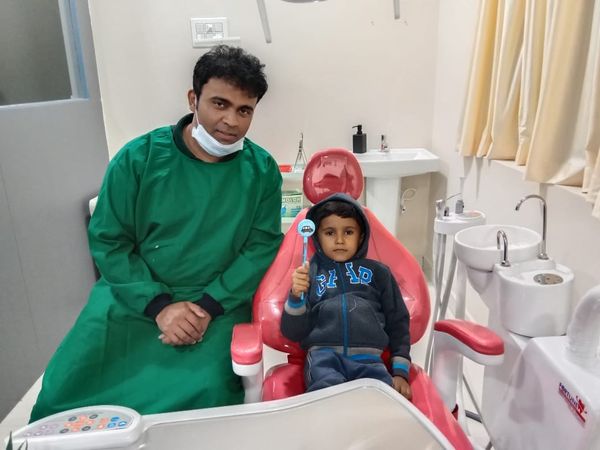
    Dr. Mihir, has done his BDS from Dharwad and MDS from Bengaluru. His other certifications includes treating dental patients under safe sedation and general anaesthesia. He has been practicing since a decade, and has also worked in the state capital Bengaluru. He was also teaching as an Associate Professor in a reputed institute.


    His spouse Dr. Snehalika More, has done her BDS from Nasik and MDS from Bengaluru, along with a certificate course in Implantology from Dharwad. She also has many other certifications related to dentistry.

    They have consultants from all other dental departments like Oral & Maxillofacial Surgery, Orthodontics, Periodontology etc.

    Shambhavi Kids & Family Dental Clinic located in Dharwad (Hubballi-Dharwad): is a multi-specialty Dental Clinic catering to patients’ dental needs. They care for all age groups like: small children, adolescents, young adults and the elderly. They all are taken care of with special health care needs, and other health issues.

    Their motto is to give their patients the best of dental treatments using the state-of-the-art available technologies and maintaining high ethical standards and good hygiene. The clinic has excellent access, and there are wheelchairs available for easy entry and exit.

    Available Treatments & Services includes.
    Tooth Restorations / fillings
    Pediatric Dentistry (Kids Dentistry)
    Scaling & polishing of teeth (cleaning of teeth)
    Root Canal Treatment
    Crowns/Veneers
    Fixed Prosthetic Denture/ Bridge
    Complete Dentures (Removable& Fixed)
    Orthodontic treatment (Braces)
    Periodontal treatment (gum treatments)
    Extractions (including third molars)
    Implants
    Esthetic / cosmetic dental treatments (including tooth jewellery)
    Address: Shambhavi Kids & Family Dental Clinic,
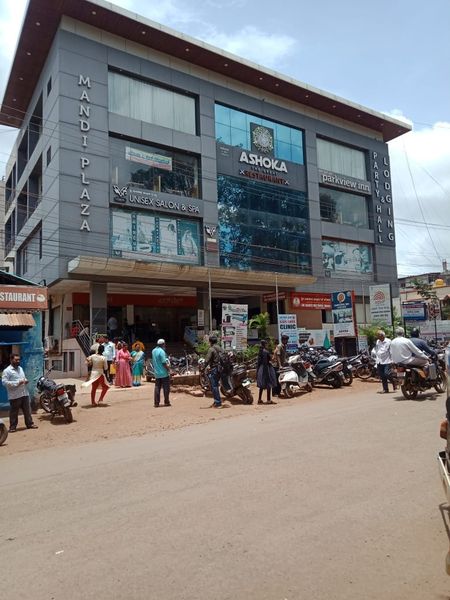
    Mandi Plaza (1st Floor), Below Ashoka The Great Restaurant,
    Opposite KC Park Post Office,
    Haliyal Road, Dharwad – 580008
    Contact: +91-6360956607
     
    Visit their website: https://g.co/kgs/F27cMo2 for other updates.
    Timings: Monday to Saturday: 10.00 AM to 02.00 PM & 05.00 PM to 08.00 PM
    Sunday: By Prior Appointment Only (Emergency cases)
  • Karwar-Ankola Christian Forum’s initiative in  Konkani language Promotion.

    Karwar-Ankola Christian Forum’s initiative in Konkani language Promotion.

    August 27, 2024
    By The Flag Post staff

    India is known for it’s vast cultural diversity. And yet it stands united in promoting the native language spoken in a geographical area. Irrespective of different  faiths practiced, the glue that bonds them all together is always the local language.

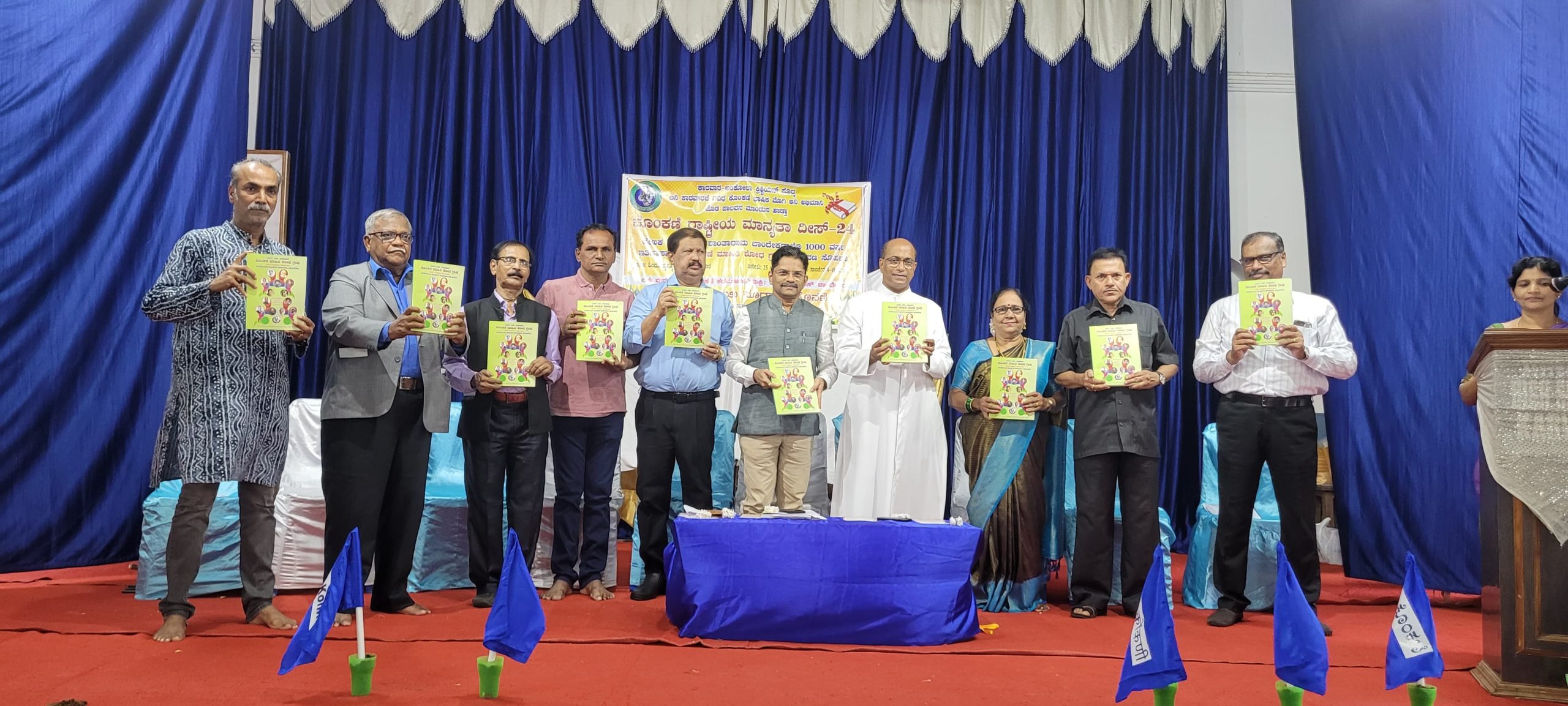
    On the occasion of the 32nd Konkani national celebration day, held at Hindu High School auditorium on August 25, Karwar. It was inaugurated by senior Adv. Anirudh Haldipurkar, and he added that, “Konkani is a sweet and beautiful language & outsiders who come to Karwar & it’s vicinity, learn to speak the language fluently”.

    The Karwar – Ankola Christian forum, took the lead in organizing the function. Dr. Vasant Bandekar, Sadashivgad’s,  multifaceted personality, and also known for his versatility.

    His 1000-years-old research based guide bòok, on the history of the Konkani language, was formally released by Rev. Father Richard Rodrigues. The Reverend of the Kajubag Cathedral church, spoke highly of the book & added that “it was a red lettered day, and would be remembered in the days ahead.”

    Another dignitary Mr. Narendra Desai, President, Saroja Bala Desai Memorial Trust, speaking on the occasion said that “Dr. Vasant Bandekar’s, love, service and dedication to the Konkani language,  since the last 55 years was highly commendable. He would always be by Dr. Bandekar’s side in the near future.”

    The other dignitaries present were: Karwar-Ankola Christian forum President Mr. Samson D’Souza, Mr.George Fernandes, and Mrs. Kumud Gadkar, shared their thoughts.

    An introduction was given by Mr. Augustine Noronha and Mr. Leo Louis, welcomed the gathering. The other teaching staff present were: Vanita Shet. Under the guidance of Vaishali Naikar,  a devotional song was rendered by the students. Also present were Mr. Madhav Rane, and the others who helped in making the program a success were: Mrs. Sharada Bandekar, Mr. Regan Coutinho, Mr. Frankie Gudinho, Mr. Vishu Rane, Mr. Shrikant M. Naik, Mr. Peter Miranda and other Bandekar family members.

    Dr. Vasant Bandekar,  gave a vote of thanks, and entertained those present with his mimicry.

  • Shri Siddarooda Mutt, Old  Hubballi

    Shri Siddarooda Mutt, Old Hubballi

    July 25, 2024

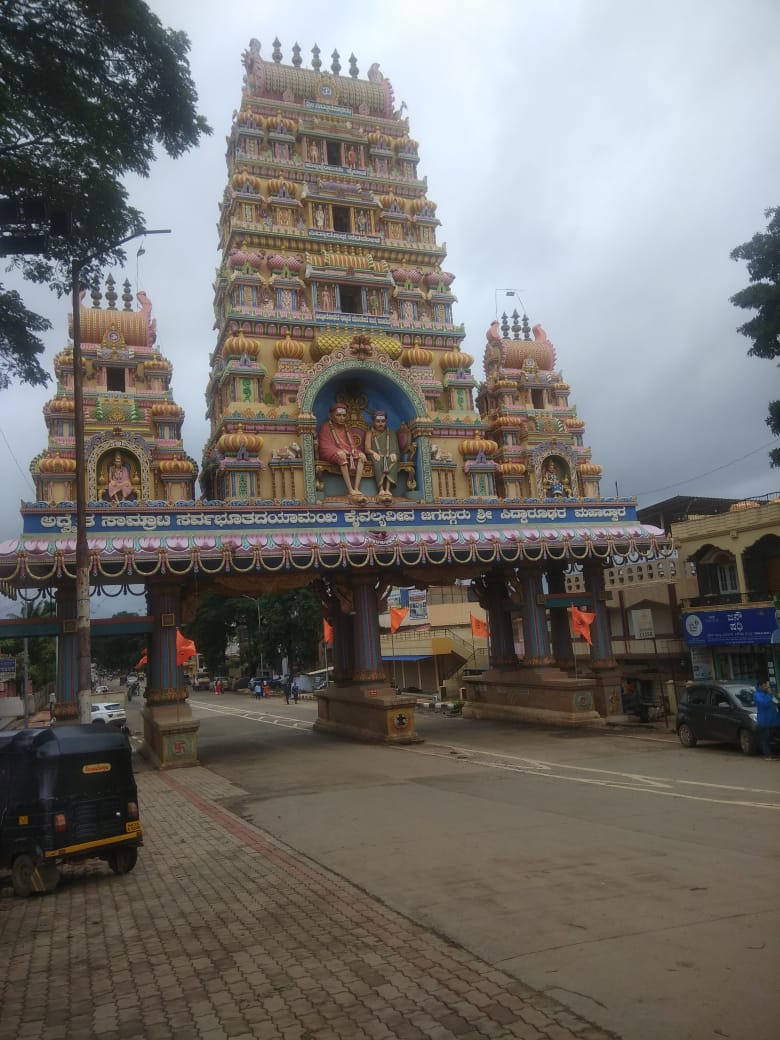
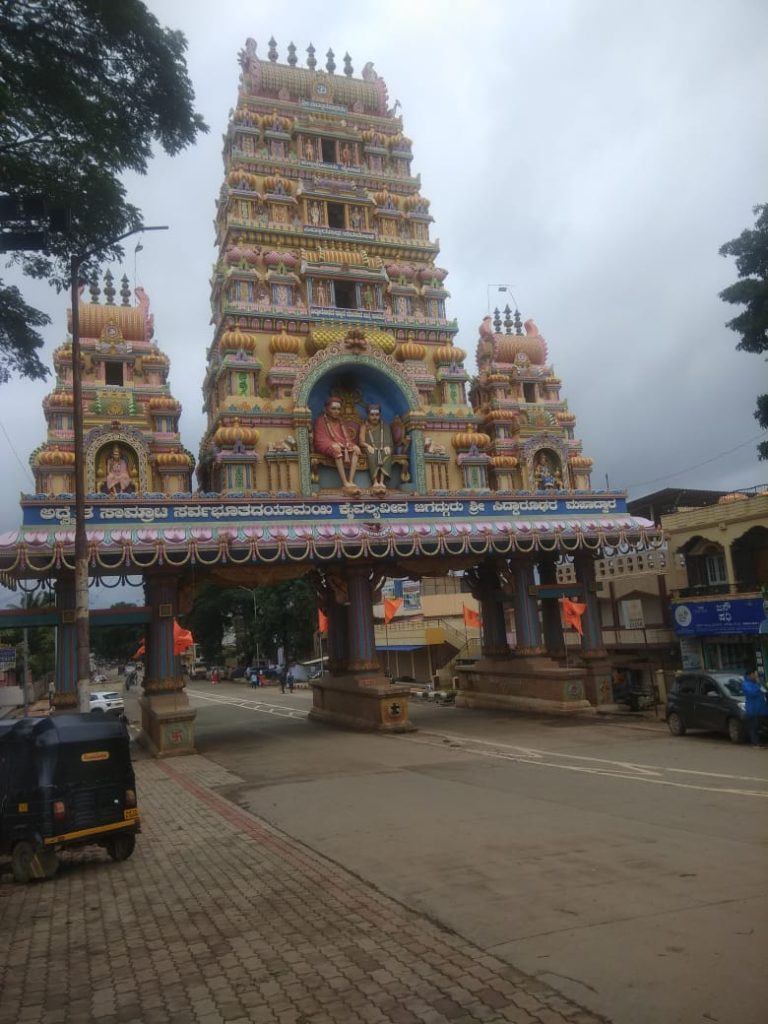
    Shri Siddarooda Mutt, Old Hubballi. A historical religious place visited by the devout followers. The mutt is located on Karwar road, old Hubli, Dharwad district, Karnataka.

  • Man-Animal conflict: Loss of Elephant corridors in India

    Man-Animal conflict: Loss of Elephant corridors in India

    Elephant corridors have received lots of conservation attention in recent years, following fragmentation of contiguous habitat into islands. An elephant corridor, by definition, is a linear landscape that connects two or more patches of viable elephant habitats that were connected in historic times.

    Natural corridors are the outcomes of geomorphic factors such as steep mountains and gorges. But over the past few decades, human activities have fragmented the vast elephant ranges : for habitations, agriculture, plantations; and development activities such as mining, industry, dams, roads, railway tracks, constructions etc. In many cases, connectivity has been completely broken, in a fortunate few a narrow connectivity exists between them; allowing elephants the right of passage within their habitat range.

    Elephant corridors comprise only a small portion of the total elephant range, but they are crucial for long-term survival of elephants. Elephants have a great need of resources like food and water,  that can only be met by moving in large areas traveling long distances. Today, corridors are the only way they can move about in these large areas in search of these resources. This is also crucial for gene flow between isolated populations.

    Realising the importance of elephant corridors: Wildlife Trust of India (WTI), in collaboration with a team of experienced elephant researchers, forest officials of various states and other NGOs, identified at least 88 elephant corridors in India and published a report entitled “Right of Passage: Elephant corridors of India” in 2005. As per this report, about 24% of the corridors are still totally under forest cover, while the remaining 76% are under forest, agriculture, tea gardens and settlements. Though 76 % of corridors are located fully or partially outside reserve forests, the elephants manage to move between habitats through these tea estates, agriculture fields, human habitations, busy national highways, and railway tracks. This movement is largely responsible for the loss of 400-450 human lives and crops worth millions of rupees every year. This often leads to retaliatory killing of elephants as well.

    Curtailing elephant movement between habitats would mean confining or restricting an elephant population to a fragmented forest. This would force elephants to repeatedly utilize the same area, leading to a rapid decline in vegetation quality and quantity. This would in turn affect the other herbivores as food becomes scarce with a decline in prey base, leading to a corresponding decline in carnivores like tigers, leopards, wild dogs and even bears. This will also increase competition between different individuals of the same species or between different species.

    Additionally, there is a high possibility for herbivores and carnivores to search for food outside the reserved forests in future. This will further deteriorate human – wildlife conflict in surrounding forest areas.

    Confining a species to an area would also mean genetic isolation that could eventually lead to the wiping out of the entire population through ills of inbreeding.

    If unaddressed or addressed short-sightedly, these problems could lead to the collapse of the entire faunal base of the area over time.

    On a smaller scale, human-elephant conflicts could be prevented by erecting electric/solar power fence, creating elephant proof trench, constructing concrete wall and other conventional guarding methods. But these will not give sustainable results. These are only short-term approach which fails to address the issue in its entirety.

    The only long-term solution for human – elephant conflict is proper land use management. Since unsecured elephant corridor can be centres of human – elephant conflict, high priority should be given by authorities to secure and conserve elephant corridors. There can be different means of securing these corridors: private purchase and voluntary relocation of people living in corridors have effectively been implemented. Other innovative methods to secure corridors are also in place.

    Once secured, these corridors need to be notified and given legal protection by the respective states, to allow the elephants the right of passage. This today, remains the most viable option for us to save the elephants, and possibly the entire faunal composition of the areas in question.

    The Author is Asst.Manager & Project Leader
    National Elephant Corridor Protection Project
    Wildlife Trust of India

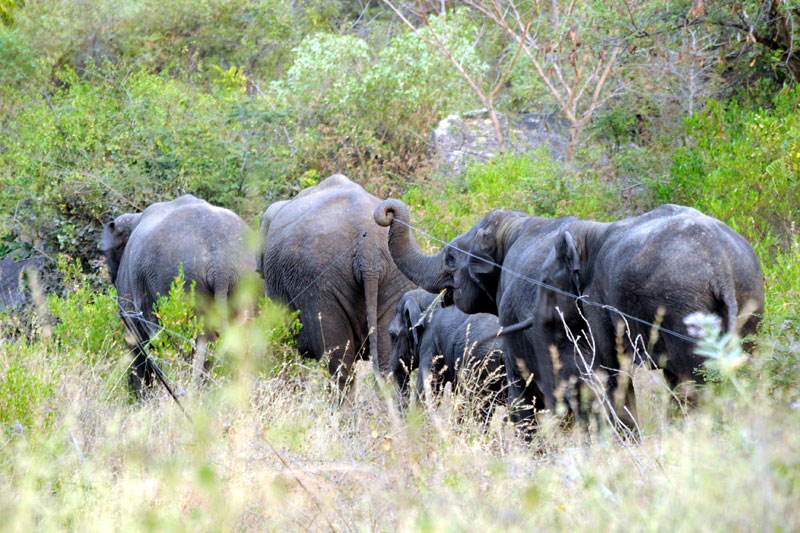
    Cases of man-animal conflict on the rise seen in all the photos at Coimbatore Forest Division

    IMAGE COURTESY: Photos taken in Coimbatore forest division, Tamil Nadu by Mr. T.Muruganandam, Coimbatore.

  • The  need for conserving Otter habitats

    The  need for conserving Otter habitats

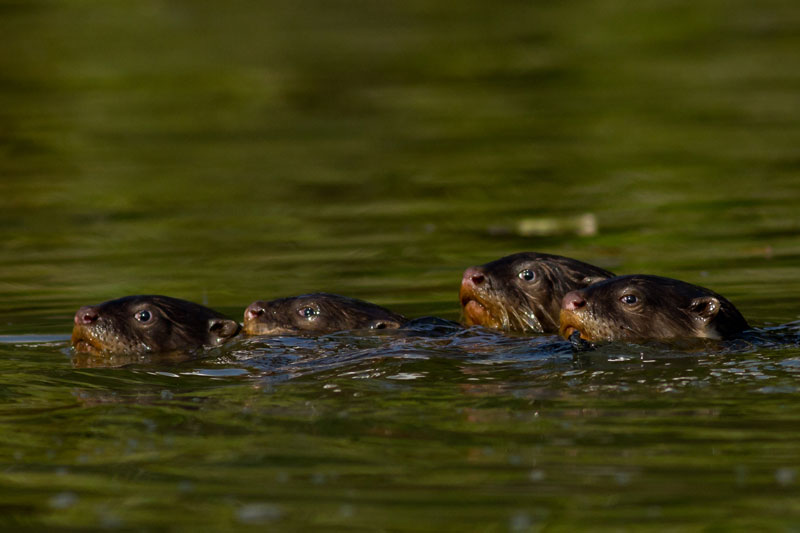
    Otters are small mammal species that are equally comfortable on land as well as in water. They are known to be the apex predators of the wetland ecosystems they serve a unique biological importance.

    There are 13 species of Otters found across the globe, five in Asia and three in India.

    Smooth-coated Otter (Lutrogaleperspicillata), Eurasian Otter (Lutralutra) and Asian Small-clawed Otter (Aonyxcineria) are the species found in India. The smooth-coated otter is the largest species of otters in Asia while the Asian small-clawed otter being the smallest.

    Smooth-coated otter and Asian Small-clawed otter are globally threatened species and are listed as ‘Vulnerable’ by the IUCN Red List. Their populations are restricted only to Asia. As they are secretive and at times nocturnal in habits very little is known about them in the wild; an opportunity for wildlife researchers to study these magnificent species.

    Otters being social animals prefer to live in groups. The group size may vary depending upon the kind of habitat and availability of food resources. Large groups of around 15-20 individuals have been observed in Goa. They follow a simple philosophy

    “A family that poops together stays together”

    Increase in anthropogenic activities and human settlements have put enormous pressure on their habitats. Informal surveys indicate that their populations have been drastically reduced over the last decade and their habitats are gradually shrinking.

    Otters share their habitat with other mammals, birds, reptiles, amphibians and other animals. Being a species that is dependent on riverine habitat, they venture along the rivers in search of food and better den sites. Thus, many otter populations are found outside protected areas.

    “We understand that a particular patch of land is a wildlife sanctuary or a national park; Otters don’t”

    In human modified landscapes the smooth-coated otters prefer to forage in man-made fishing pools and at times compete with fishermen for fish; an opportunity to study human-otter interactions.

    Now that you are more familiar with Otters and their habitat, you can decide.

    There are 13 species of Otters in the world, 5 in Asia and 3 in India

    Goa is home to 2 species of Otters

    Due to increasing human pressures,otter habitats are shrinking.

    Otters, once considered to be top predators of wetland ecosystems are now restricted to few pockets of natural landscapes. Even after being highly adaptable species, local populations have significantly decreased in the last 20 years. Sightings that were common have now become extremely rare in most natural landscapes.

    • SMOOTH-COATED OTTER (LUTOGALLE PERSPICILLATA)
    • ASIAN SMALL-CLAWED OTTER (AONYX CINERIA)

    Largest of the Asian Otters

    Total length Tail length Weight
    106-130 cm 40-50 cm 7-11.4 kg


    (The Author a research associate with Mhadei Research Center).

  • Racket Tailed Drongo: An Engima Amongst the Avifaunal Species

    Racket Tailed Drongo: An Engima Amongst the Avifaunal Species

    On the cosy summer morning, warm golden sunrays were hitting my window, the meadow was glowing under its morning warmth and the dew was still plainly visible on the blades of grass; I was  awaken by the unusual bird call with different loud notes, that couldn’t let me doze off again. I rolled out my blanket and walked in the direction of acoustic note to quieten my curiosity and to my disbelief I could see a black shiny racket tailed drongo sharing the perch with a serpent eagle and an emerald dove. This unusual behaviour of the birds arose my curiosity to find out what’s going on amongst the winged creatures soaring high in the sky. After studying the same, I understood that nature has millions of untold secrets that we need to understand by being in close proximity. In the case of racket tailed drongo, the secret lies in its inborn mesmerizing talent of mimicry and shrewd intelligence.

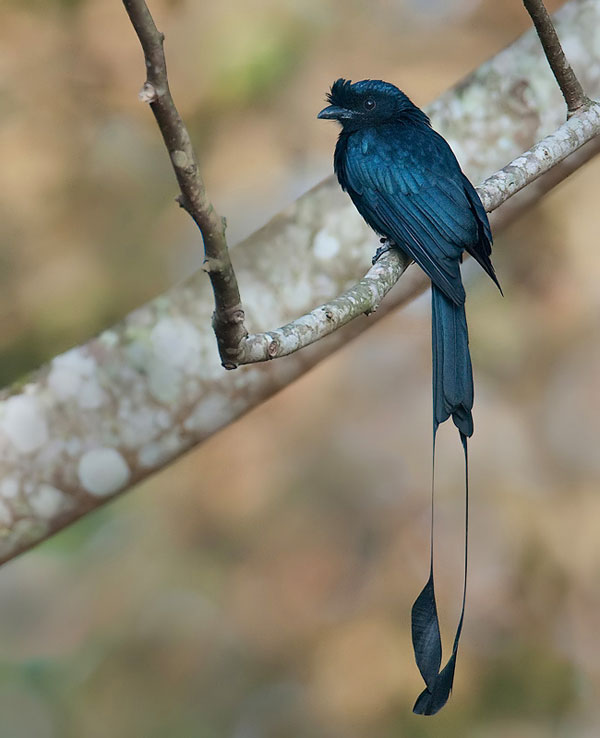
    Dicrurus paradiseus is a medium-sized Asian bird which is distinctive in having elongated outer tail feathers with webbing restricted to the tips; this species extends from the western Himalayas to the eastern Himalayas and Mishmi Hills in the foothills below 4000 feet. They are found in the hills of peninsular India and the Western Ghats. They are found across the planet and continuing into the west to the islands of Borneo and Java in the east through the mainland and islands .These nerd birds can mimic approximately 35 Bird species; three mammals which includes the  langur ,elephant, deer alarm calls; two species of frogs and some insects too. This is the reason why these black birds can easily mingle with other species of birds, snatch their food, and shoo them away with alarm calls, because they communicate with   birds in their own language. Several studies on Racket-tailed Drongos in Sri Lanka by Eben Goodale and his group have shown that drongos are regular participants in mixed species flocks, and that their mimicry could potentially facilitate the formation of such flocks. They also found that alarm mimicry produced by Racket-tailed Drongos could induce a flee response or even mobbing behaviour from the species that were being mimicked. In some places they have been found to be kleptoparasitic on others in mixed-species flock, particularly laughing thrushes but they are most often involved in mutualistic relation where drongos equally participate in fetching food; as well as  commensal relations where the latter is benefited while the former is not harmed . Several observers have found the drongo associating with foraging woodpeckers and there is a report of one following a troop of macaques. Apart from these talents these birds are well known for their aggressive behaviour as well, hence many small birds stay in their rapport in order to keep themselves away from predators.

    Besides these studies, Samira Agnihotri , reveals that racket tailed drongos are more intelligent than our knowledge; it is known to make communicating notes of other birds to know the location of food;  their vocal notes differ according to the different altitudes of the forests to attract different birds ranging from small tailor bird to big raptors .

    The bird’s Intelligence and vocal ability is not  ignored  by  humans and they been a subject matter of study since ancient times. Since times immemorial,  the Japanese regard them as “Kalavinka”,  a preacher of Buddhist principles that means they believe that these birds with their vocal skills helped the Buddhists to spread their message; “Bhringaraja” in Sanskrit quoted as “Bhigar ravat bherav” referring to its harsh call, also known as “Brihaspati”- Godess of Speech; “Kajana” the Kannada vernacular for this bird means kari ‘black’, jana means intelligent; “Kothval” in Hindi for making alarm calls ,all crediting  to its hypnotic vocal orchestra .

    The reason for this behaviour lies in the evolution, the race for survival of the fittest has led to dawn of the diversified world; biodiversity is the basis for adaptation on  earth; likewise the drongos have adopted this unique intelligence and vocal ability leading a luxurious life amidst the forest, blending with other birds and enjoying a feast every day. And all we have to do is keep peeping into the forest to know more secrets.

  • Western Ghats: Should we care?

    Western Ghats: Should we care?

    Western Ghats; the God’s gift

    Western Ghats is an Indian lifeline.

    Western Ghats is spread across Kerala, Karnataka, Tamil Nadu, Goa, Maharashtra and Gujarat states of India. The Ghats begin their journey in Kanyakumari and run all the way to Tapti River, the Satpura range of Gujarat. The range stretches about 1500 km in length to the south west of India and spreads across land mass area of approximately 1.6 lakh sqkm. Western Ghats are also known as Sahyadri hills.

    Western Ghats is known for dense evergreen forests, scrub jungles, grasslands (along the lower altitude). Certain areas of forests are so dense that canopy cover spreads itself over such a vast area that one can hardly see the sunrays touching down the earth.  This complex topography along with heavy rainfall makes certain areas of Western Ghats inaccessible, but, fortunately, it is also one of the main reasons that in these areas biodiversity is retained.

    Western Ghats is extremely rich in flora and fauna and considered a treasure trove of natural resources. Of all the species found in India nearly 30 percent of them are found in the Western Ghats. Almost one third of flowering plants of India are found only in the Western Ghats. If one walks for hundred meters through any part of the Western Ghats it surely becomes a botanical walk; a beautiful garden rich in its diversity of plants and animals. Such is the richness of diversity of plants and animal species. Local people say that there are still so many plant and animal species which need to be explored and recorded by scientific community. The land mass of Western Ghats is so vast that exploration and identification of plants and animals seems an eternal process. Such rich is its diversity to be considered one of the eight biodiversity hotspots in the entire world.

    Cauvery, Krishna, Tunga among other major rivers and many tributaries of these rivers take birth in the Western Ghats. There are hundreds of waterfalls, streams, lakes and creeks. Some rare aquatic animals are also seen in the Western Ghats.

    Some of the major direct benefits of Western Ghats include drinking water as well as water for irrigation and industries available through the many rivers that flow across six states. These Western Ghats can in a way be considered the backbone of south Indian economy.

    In addition there are other hundreds of indirect benefits to mankind. The vast green cover reduces the effect of green house gases by absorbing carbon. Less carbon in the atmosphere means a better quality of air and in turn provides a better quality of life for both human and animal life.

    When it comes to beauty of nature the Western Ghats is a heaven on earth. It is a gift of god to mankind. People who have been the inhabitants of Western Ghats’ regions worship the forests and they treat certain areas of forests as Devarakans; forest reserved for gods and their likes. This clearly illustrates mans’ respect for Mother Nature, and through the ages man has acquired a through knowledge of the benefits of living and working in harmony with nature.

    According to experts Western Ghats is more than 100 million years old. Our ancestors, hunter gatherers, had the knowledge of sustainable use of forest produce such as fruits, timber, medicinal plants etc. They never over harvested anything and never harmed the nature. They were totally in harmony with nature. Thanks to their prudence Western Ghats is still here to serve mankind.

    Human greed affecting the Western Ghats:

    Experts opine that in the name of development and urbanization there has been serious damage to Western Ghats’ flora and fauna since the last 4-5 decades. There has been extensive destruction of forests even in the most ecologically considered sensitive zones of Western Ghats. Some reports say that nearly 25-30 percent vegetation is lost in this region since the last 50 years. Since the last two decades because of loss of vegetation there has been decline in rainfall of up to twenty percent. Even these days certain regions of Western Ghats experience as high as 800 cm of rain fall. People who are non timber forest produce (NTFP) gatherers live in this region claim that amount of rainfall has been on the decline and its erratic behavior over the past decade is primarily due to the loss of vegetation and anthropogenic (man induced) causes.

    According to experts some of the main causes for loss of vegetation and animal life is deforestation through the encroachment of forest land, quarrying, mining, sand mining, tourism, hydro-electric power plants, poaching among others. Because of these reasons there has been decline in population of species endemic (locally adapted) to this region and some reports say that certain species are on the verge of extinction.

    As Western Ghats is spread over six states of India and issues mentioned above are specific to all the states, however the gravity of problems vary from state to state. Certain regions of Western Ghats are ecologically more sensitive and significant than other regions. For instance the Nilgiris (Tamil Nadu) eco-zone is different from that of the dense evergreen forests of North Canara (Karnataka) eco-zone, hence the variation in issues from region to region.

    Prof Madhav Gadgil’s panel:

    In March 2010 in an attempt to find a common approach to address the issues impacting these regions the Ministry of Environment and Forest (MoEF) set up an expert panel under the chairmanship of Prof Madhav Gadgil.

    Prof Madahav Gadgil is a Harvard Alumnus, Padma Bhushan awardee and the founder of Centre for Ecological Sciences, Indian Institute of Science, (IISc), Bangalore. His work reports have become popularly known as Gadgil’s report among the people in Western Ghats.

    The Prof Gadgil’s panel was primarily assigned to identify and assess the ecologically most sensitive zones and the probable measures needed to protect, conserve, manage and improve the habitats of Western Ghats. The committee was also asked to provide a framework to establish Western Ghats Ecology Authority (WGEA) under the Environment Protection Act 1986. Western Ghats Ecology Authority’s primary objectives are to ensure that Western Ghats’ regions are not only professionally managed but also to ensure sustainable development of different ecological zones which is amicable to all the stakeholders.

    After doing an extensive field visits to obtain inputs from different government agencies, NGOs, technical experts, forest dwellers and local people, in August 2011, after 15 months, the Panel submitted its report.

    What the report says?

    • Blanket ban on large scale hydro-electric projects
    • Around 65 percent of the Western Ghats regions be considered Ecologically Sensitive Areas (ESAs) and any developmental activities need to be restricted in these ESAs

    Inaction by the Governments: At the time the report was issued, the state governments, for whom the report was made, did not take any proactive measures as per the recommendations of the Gadgil panel. The report thus submitted by the Gadgil panel was rendered unused.

    There are many speculative reasons why this is so, but, it would be encouraging to believe that the state governments may wish to re-visit the report in order to gain deeper understanding  of both short-term and long-term benefits of conserving such rich natural resources.

    Dr Kasturirangan’s panel:

    In August 2012 Ministry of Environment and Forest (MoEF) then set up another committee headed by Dr Kasturirangan a former director of ISRO and member of planning commission. This panel was asked to re-visit Prof. Gadgil’s report and modify where necessary. Accordingly this working group came up with the following findings and changes.

    The Western Ghats is spread over 1,64,280 sq km and this working group preferred to divide the area in to two categories; one that is inhabited by people (cultural landscape) and the other a natural forest zone (natural landscape). This group suggested 37 percent area of the Western Ghats’ regions be considered ecologically sensitive (ESAs) as against 67 percent recommended by Prof. Gadgil panel.

    The 37 percent of the forest zone demarcated by Dr. Kasturirangan panel as Ecologically Sensitive Areas (ESAs) included national parks, wildlife sanctuaries and elephant corridors, which have already been under protection and they cover about 10 per cent of the 37 percent ESAs. That means Dr. Kasturirangan’s findings actually leave only the remaining 27 (which is about 60,000 sq km) percent of the area is ecologically sensitive and that needs to be protected.

    This working group also reported that densely populated areas and fragmented forest areas (within the Western Ghats) as human inhabited zone. This means nearly 59 percent of Western Ghats is human inhabited and that leaves only about 41 percent demarcated as forest zone.

    One of the other major recommendations of the working group is that activities considered ecologically sensitive such as quarrying, sand mining and other such activities to which the permission has already been granted be closed within five years. And any further permission to be granted for such activities in ESAs to be totally banned, especially the ones which are listed as red-category industries. There are about 45 red-category industries as listed by the government; leather industry, hydroelectric plants, and fertilizer industries are some of those figure in the list.

    It was rumoured among the farming community that recommendations of the reports are against their interests and they will be moved out of their place of living. Locals, especially farmers, feared and believed that the rumors to be true and did some agitation. In actuality both panel reports made no reference to such action. Farmers and those who dwell in forests need not fear at all as neither report recommended anything against their interests.

    General objections to Dr. Kasturirangan’s report by people and environmentalists;

    • Iron ore miners, industrialists, timber lobby and others may take advantage of reduced ecologically sensitive area as Dr. Kasturirangans recommendations account only 37 percent area of Western Ghats as Ecologically Sensitive Areas (ESAs)
    • Some politicians yield to such pressures of lobbyists who in the guise of development may continue to do what they have been doing
    • Recommendations do not say about what can be done in ESA, they only say what can not be done
    • The governments should have made the reports translated in to regional languages that fall within the purview of Western Ghats
    • Both the reports recommend highly about how to further protect the Western Ghats, but they are most likely to become victims of lobby-groups trying to further their cause

    General options:

    • Gadgil an eminent ecologist and has done extensive field work by setting up field stations in WG area through CES (which he founded), IISc in many forest zones to take up scientific studies to protect Western Ghats. The concerned state governments and MOEF should lay emphasis on his work, I say this because I worked in his team as one of the research team members in Western Ghats region and as a being a qualified natural resources management person I consider his contribution to the cause of ecology is immense. He has a vast knowledge, not only about ecology and its conservation, but also about diversity of India and its’ needs
    • One of the other primary options is to make the whole conservation process a people oriented (participatory approach) which means that people are opinion makers (within the frame work of expert committee recommendations).
    • There exists Village Forest Committees (VFCs) in Western Ghats forest area. This committee constitutes members from different user groups from the villages and hamlets. Although VFCs are not statutory bodies but have been assigned certain responsibilities, which help conserve forest, by the forest department. If these VFCs are empowered to take action against any activity that is not in the interest of Western Ghats that may bring in positive results in conserving forests of Western Ghats

    End note:

    If governments yield to the protests and not implement the recommendations given in these reports then the day is not far where we shall see rivers drying up and mankind die of thirst and hunger.  The forests of these Western Ghats are the primary sources of the rivers which give us life.


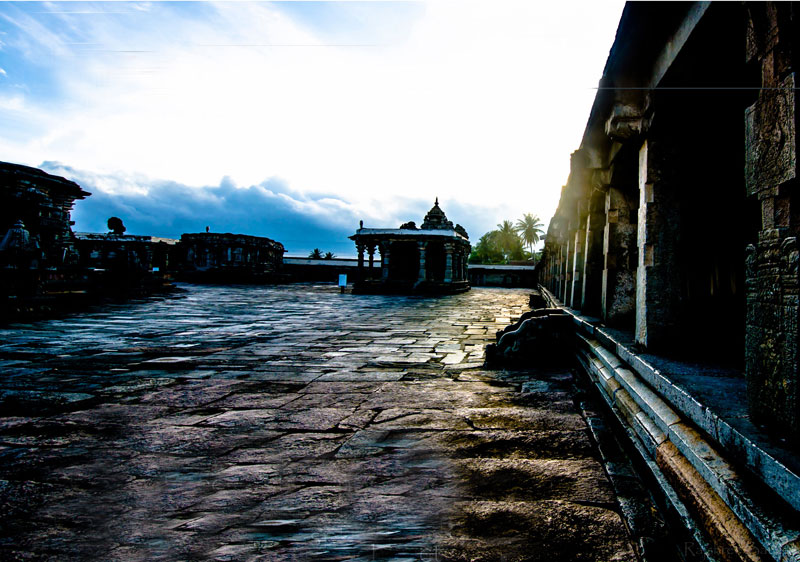
  • Halebidu and Belur: An Opera in Stone!

    Halebidu and Belur: An Opera in Stone!

    The state of Karnataka has a great history to offer, and it has in its store a treasure trove of architectural wonders. No journey is complete to Karnataka, if one does not visit the famed temples of Belur and Halebidu. One is transported back in time on visiting these places either for spiritual salvation of the body, mind and soul; and also marvel at the  rich architectural splendor that have a tale to tell for the future generations. Blessed am I, “that I have been born in this land, and I had the luck to love her”, are immortal words that come to the mind on seeing the exuberance of fine art in soapstone.

    The narrow road from Hassan to Halebidu, winding between pristine tracts of nature and wilderness takes one to a higher degree of bliss that one can never experience in the daily routine in metro cities.. The desolate roads and verdant surrounding inviting the visitor with picture perfect settings where the eye and camera zoom in and livestock straying on and of the fields is a one memorable trip worth a visit!

    Finally, some hustling of people indicated that we had reached Halebidu( holy abode)

    As we entered, we saw the stone temple with guides eager to share the beautiful history of the 12th century capital and the temple which has two shiva lingas. One dedicated to the king and the other to queen overlooking a beautiful water body hence Dwarasamudram.

    It was attacked in 14th century by Malik Kafur and it remains incomplete and plundered, but still standing strong on its stone platform.

    The guide retold all the mythological tales as a mother would narrate to her attentive children. The great Prahlad, the arrogance of Ravana, the might of Lord Shiva and Bheem.

    The beauty of the couple Vishnu and Laxmi and various other stories carved out of soapstone and etched for eternity. The sheer excellence and intricate stone work left behind as the legacy of the patrons who encouraged such pieces of art; and the master craftsman and masons who chiseled and worked on the soapstone leave the tourist in awe of the ever welcoming smile of the figurines. To sum it up all the temples are an opera in stone.

    Halebidu was inspired by the Belur star shaped temple, and so we drove to Belur. Belur is a fully functional temple of lord Chennakeshava, adorned with beautiful jewels. It has two other temples of Goddess Sridevi and Bhoodevi.

    The rain made the evening cool and in no time the setting sun peeped through the clouds and lit the evening and turned the stone floor into smooth blue and copper color.

    Sheer craftsmanship for centuries created these monuments and we thought the latest technology was the only thing that can enthrall us!!